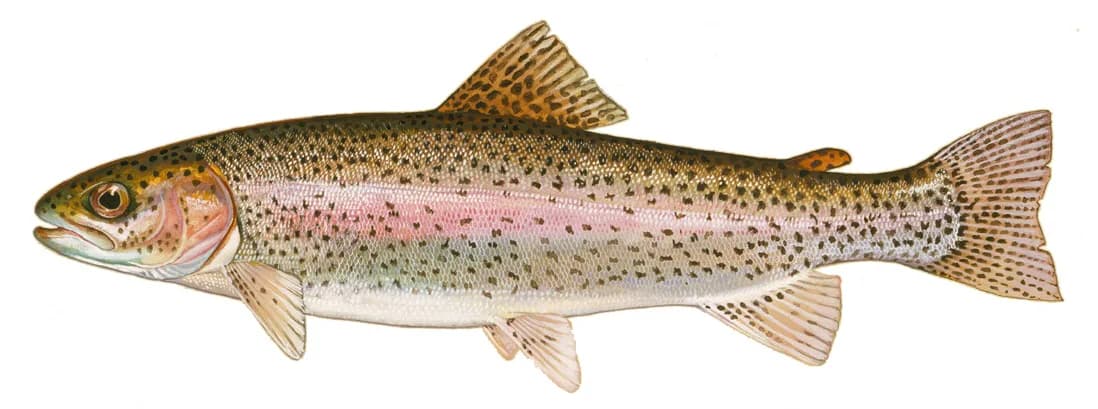
Fish Lateral Line System: How Stocked Gamefish Sense Underwater Vibration
Fish do not rely solely on vision to hunt. Here is how the lateral line organ detects pressure waves, lure thumps, and feeding opportunities in low visibility.
Guides
Plain-English explainers and seasonal reports built from the same official state agency data behind every page on StockedWaters — always dated and cited to the source.
Fish do not rely solely on vision to hunt. Here is how the lateral line organ detects pressure waves, lure thumps, and feeding opportunities in low visibility.
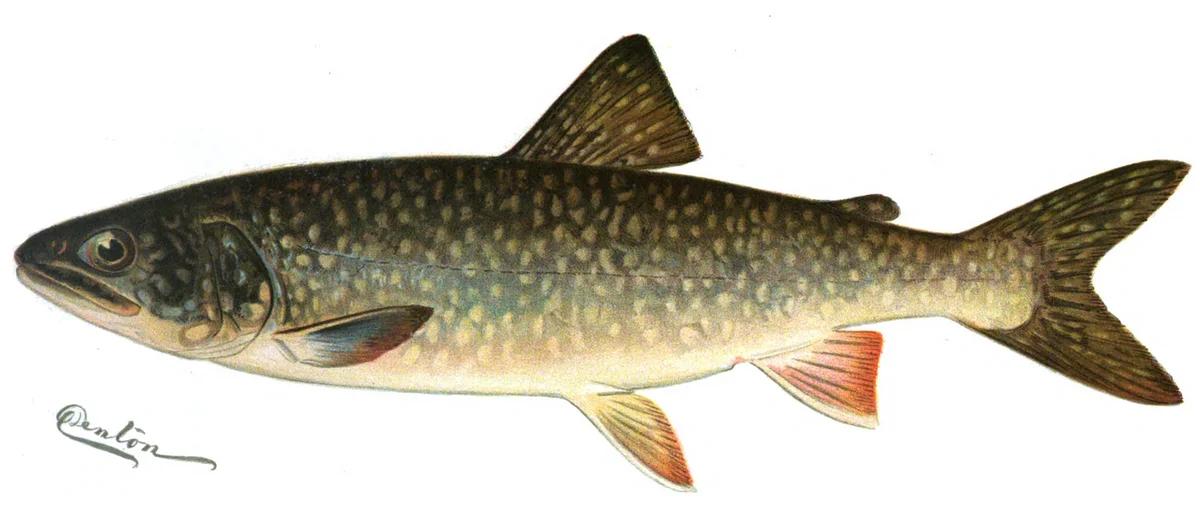
Twice a year, lakes invert as surface water reaches maximum density at 39 degrees. Here is how turnover disrupts water clarity and where to find fish during mixing.
Trout require high dissolved oxygen concentrations to breathe and feed. Here is how water temperature, algae decomposition, and aerators affect lake oxygen.
State agencies stock millions of walleye fingerlings annually. Here is how to rig bottom bouncers and spinner crawler harnesses to locate offshore fish.
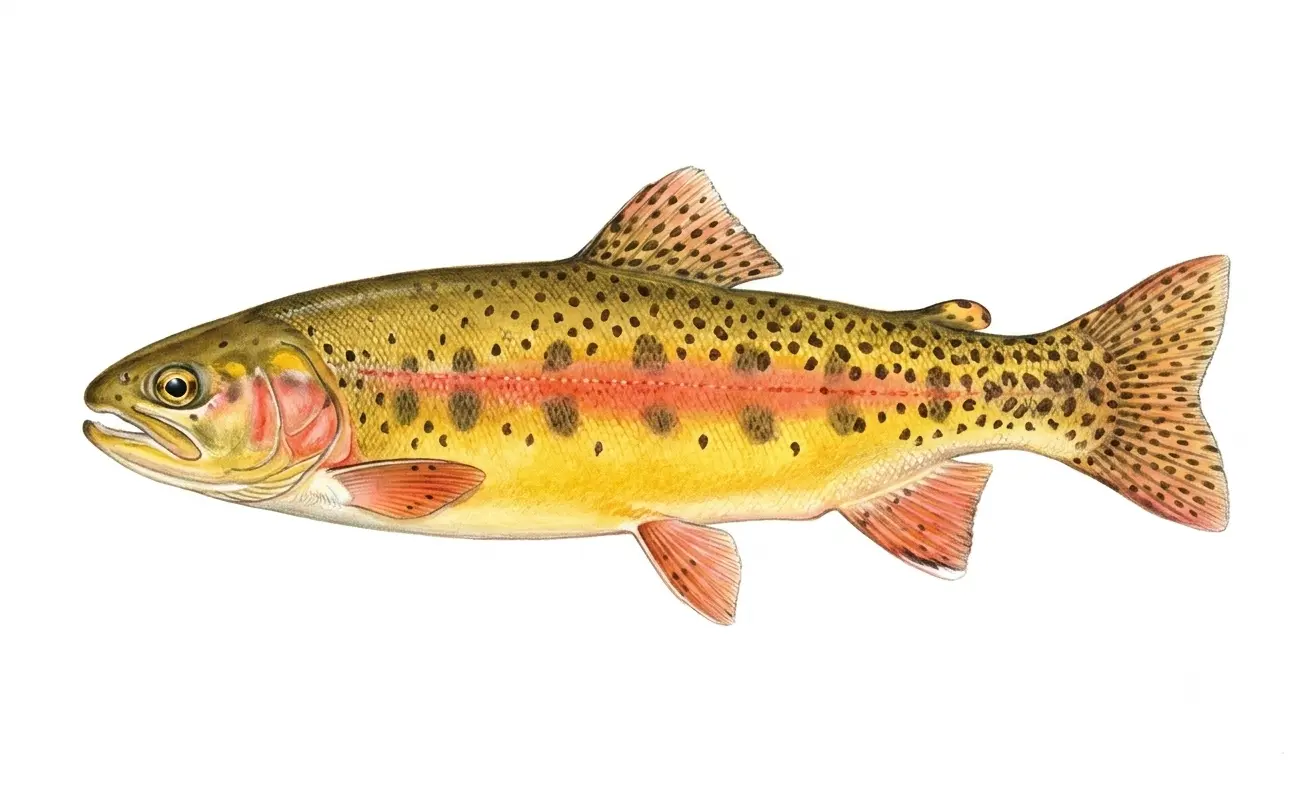
Aerodynamic slab spoons cast into headwinds and reach deep schooling trout. Here is how to control flutter speed, depth counting, and strike detection on the fall.
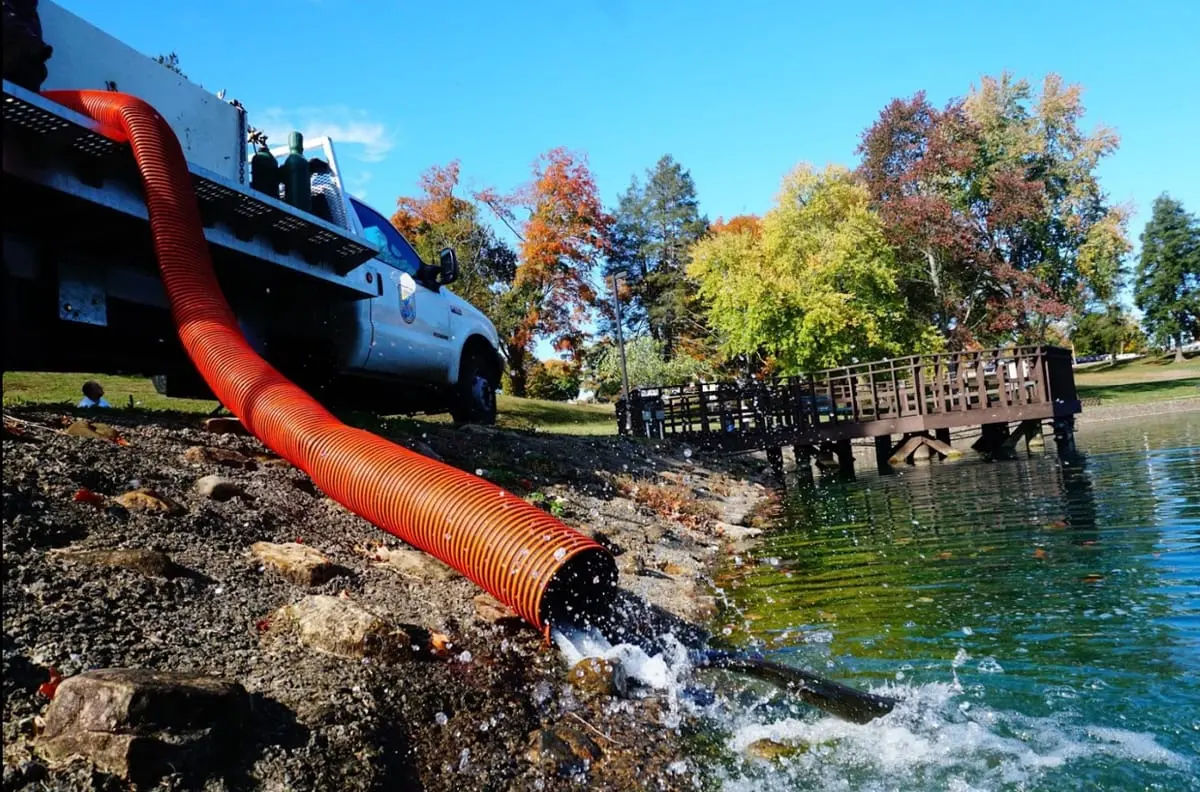
Choosing the right fishing line affects casting distance, strike detection, and hook sets. Here is a technical breakdown of mono, fluorocarbon, and braided line.
While spinning reels dominate trout ponds, baitcasting setups offer advantages for heavy hybrid wipers and broodstock. Here is how reel mechanics compare.
Inline spinners are deadly on river-stocked trout when matched to current speeds. Here is how blade shape, weight balance, and quartering casts trigger strikes.
When summer heat forces stocked trout into deep thermoclines, traditional bobbers fail. Here is how to rig drop shot systems to suspend soft plastics off bottom.
When dough bait and metal spoons stop producing, micro hair jigs draw strikes from wary hatchery trout. Here is how to rig marabou and tungsten jigs under floats.