PowerBait Dough vs. Soft Plastic Mice Tails: Scent, Buoyancy, and Rigging
Both dough bait and soft plastic mice tails catch millions of stocked trout each season. Here is an analysis of how scent dispersion and buoyancy differ in cold water.
Guides
Plain-English explainers and seasonal reports built from the same official state agency data behind every page on StockedWaters — always dated and cited to the source. Page 2 of 11.
Both dough bait and soft plastic mice tails catch millions of stocked trout each season. Here is an analysis of how scent dispersion and buoyancy differ in cold water.
Chironomids represent over sixty percent of a stocked trout diet in stillwaters. Here is how to rig indicators, measure bottom depth, and suspend pupae patterns.
Float tubes and pontoon boats give anglers access to offshore shelf breaks that shore anglers cannot reach. Here is how to rig, navigate, and stay safe on stocked lakes.
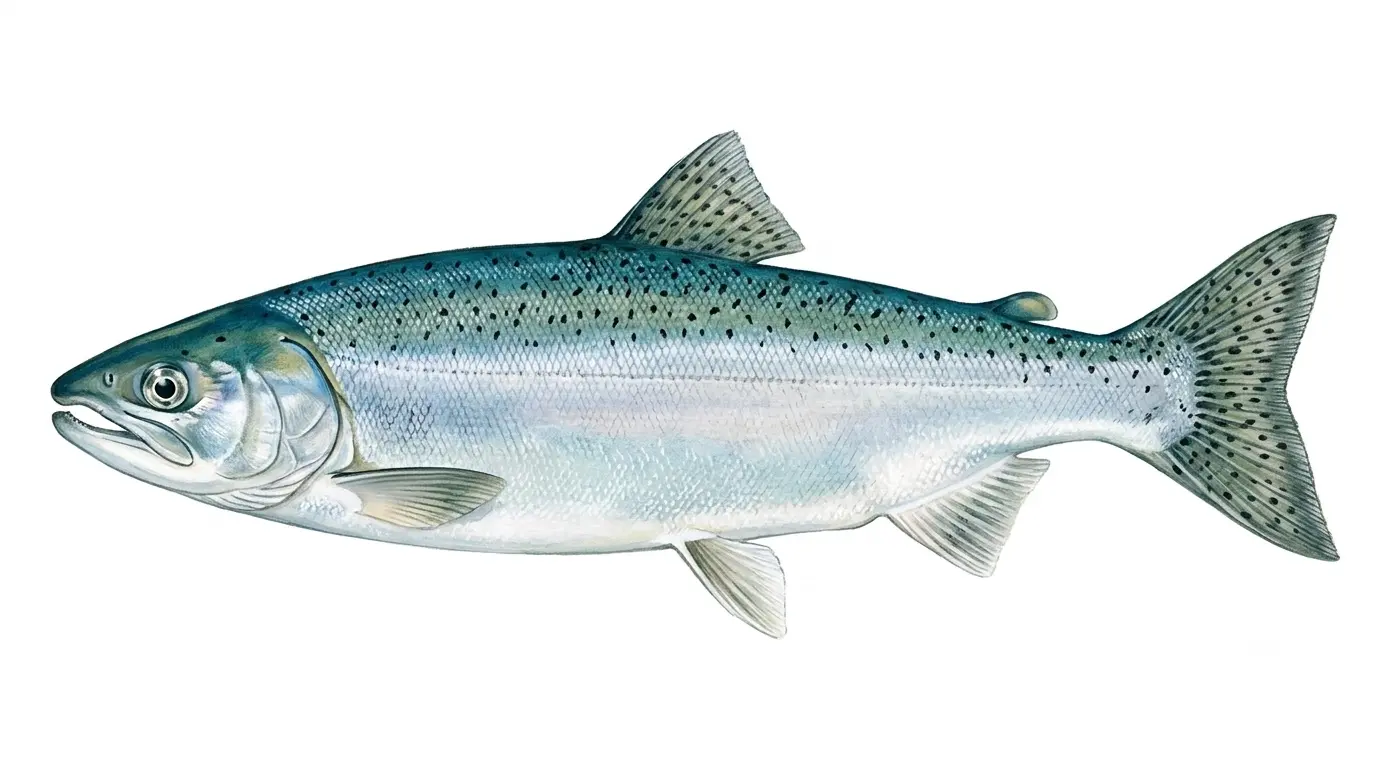
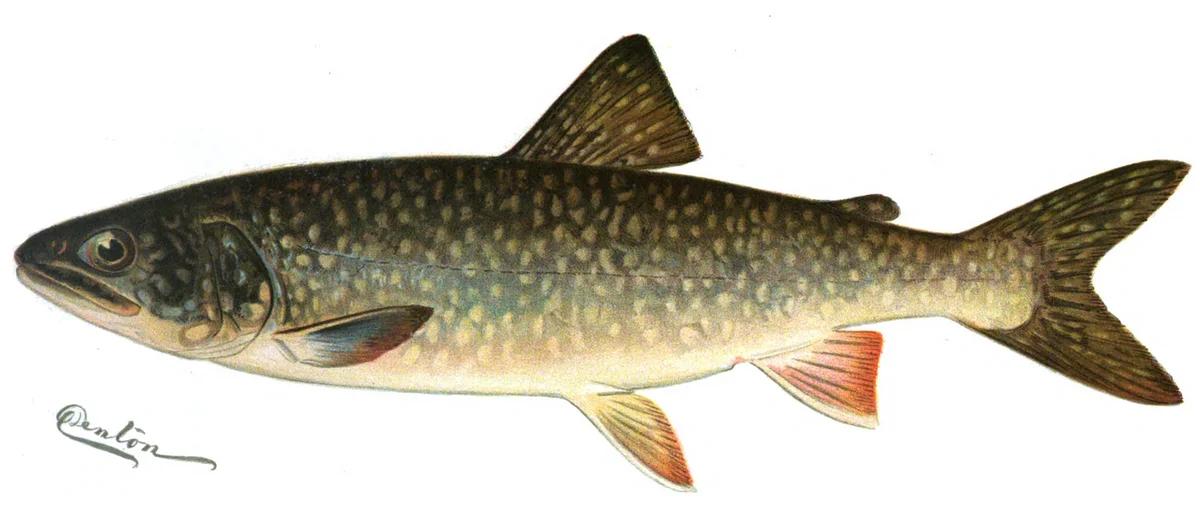
State hatcheries stock fish across multiple size classes. Learn the difference between fingerlings, standard catchables, and retired trophy broodstock.
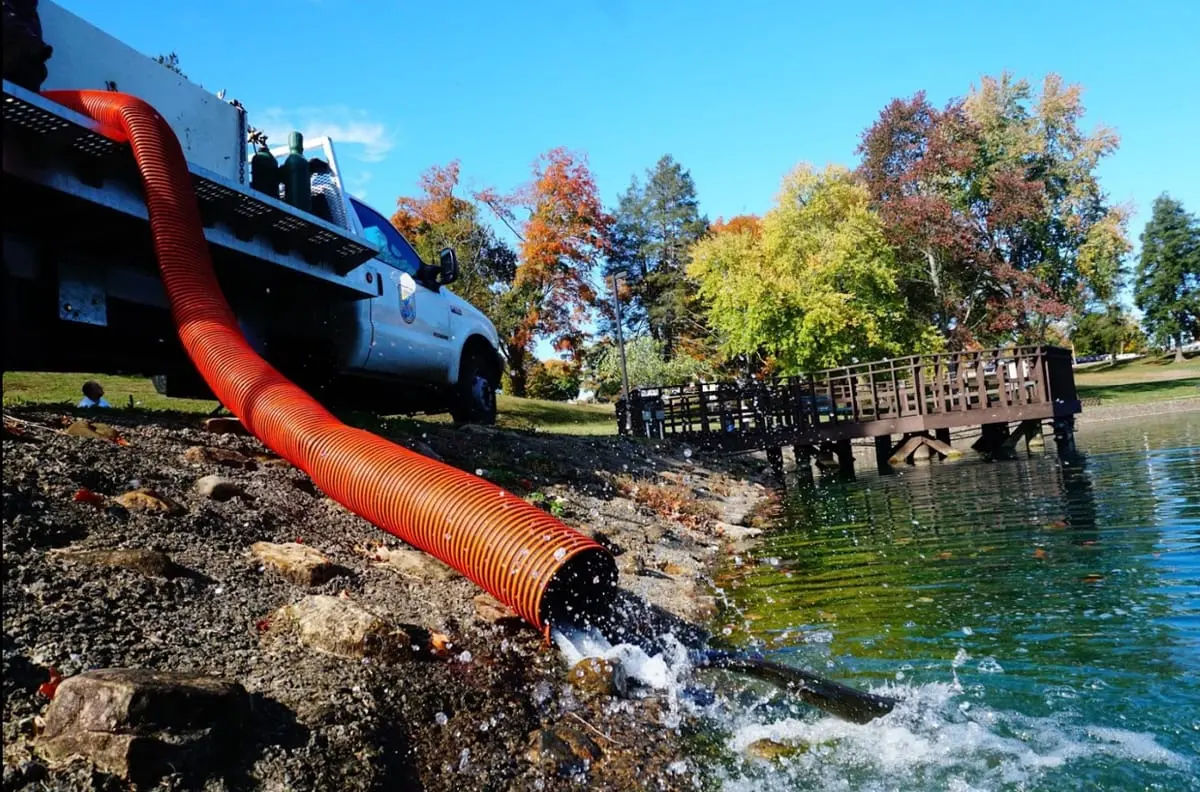
Transporting thousands of fish requires liquid oxygen and temperature balancing. Learn why trout need 24 to 48 hours to recover from truck travel.
A two-pole endorsement doubles your water coverage when permitted. Learn state rules, rod holder placement, and dead-sticking mechanics.
Shifting water clarity changes how fish locate food. Learn how Secchi depth, sediment runoff, and algae blooms dictate presentation adjustments.
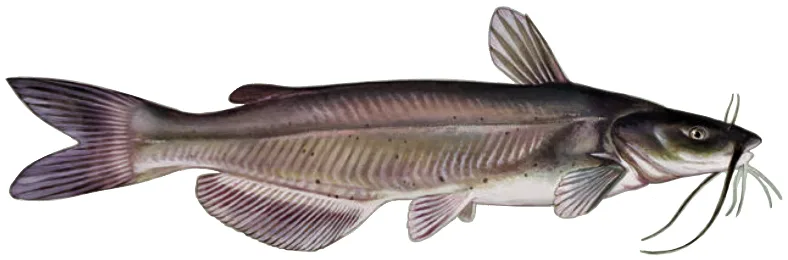
Slip bobbers allow anglers to fish deep brush piles and weedlines with pinpoint depth control. Learn how to rig and fish stocked warmwater panfish.
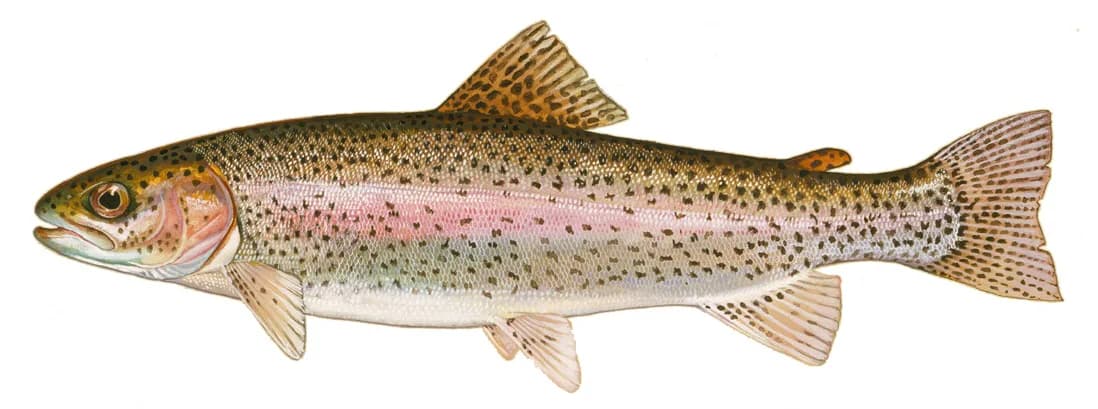
Hardware lures trigger aggressive reaction strikes from stocked trout. Learn how blade shapes determine lift, vibration, and depth control.
Trolling lets anglers cover acres of water efficiently. Here is how to manage GPS trolling speeds, sinking lines, and spoon depths on stocked lakes.