Micro Jigs and Hair Jigs for Stocked Trout: Marabou, Tungsten, and Twitches
When dough bait and metal spoons stop producing, micro hair jigs draw strikes from wary hatchery trout. Here is how to rig marabou and tungsten jigs under floats.
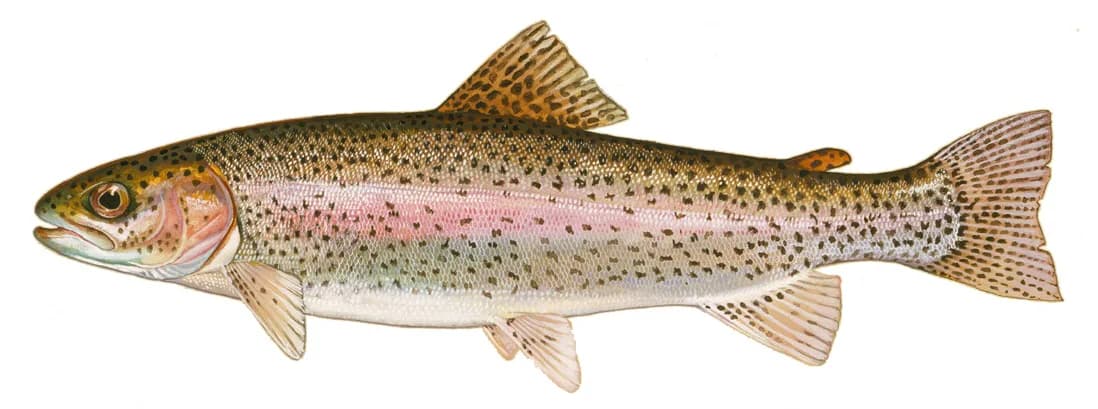
The mechanics of feather movement in stillwater
Hatchery trout exposed to heavy weekend angling pressure quickly grow suspicious of buzzing spinners and stationary bottom baits. Micro jigs simulate natural leeches, damselfly nymphs, and small baitfish. The natural breathing action of turkey marabou feathers triggers predatory reflex strikes without requiring scent.
Biologists at the Utah Division of Wildlife Resources frequently observe stocked fish feeding on small midges and aquatic insects within days of release. Review our Utah fish stocking schedule to target productive community ponds and mountain reservoirs.
Tungsten versus lead jigheads
Tungsten is denser than lead. A 1/32-ounce tungsten jighead is roughly half the physical diameter of an equivalent lead head. The smaller profile enters the fish mouth cleanly and cuts through surface tension quickly on light two-pound fluorocarbon lines. For more line insights, consult our trout vision and color selection guide.
- Olive and black marabou combinations mimic freshwater leeches and diving beetles.
- White and pink combinations resemble small minnows and hatchery feed pellets.
- Tip the jig hook with a single waxworm or tiny sliver of nightcrawler for added scent when bites are tentative.
Retrieve cadences for suspended trout
Cast past surfacing fish and count the jig down at approximately one foot per second. Use a rhythmic twitch-and-glide retrieve with your rod tip pointed at ten o clock. Most strikes occur on the downward flutter when line tension relaxes. Keep a finger on the line to detect sudden slack caused by a rising fish.
Proven Rigs for Stocked Waters
Tactical terminal rigs calibrated for recently stocked gamefish behavior and feeding habits.
12–18 inches off bottom substrate
14–20" of 3–4 lb test fluorocarbon
1/4–1/2 oz sliding egg sinker, 6mm bead, size 10 barrel swivel, size 16 treble or size 10 salmon egg hook
Recommended Tackle & Angler Gear
Field-tested tackle, baits, and essentials matched to the species and waters featured in this guide.
Berkley PowerBait Floating Trout Dough
Hatchery-raised trout are conditioned to pelleted scents; scented dough floated 12–18 inches off bottom consistently triggers strikes.
Panther Martin Classic Teardrop Inline Spinner
The heavy convex blade spins instantly upon retrieval, sending vibration through the water that triggers aggressive reaction bites along drop-offs.
Sliding Sinker & Treble Hook Rigging Kit
Sliding egg sinkers allow cautious trout to run with bait without feeling line drag, while size 14–16 treble hooks keep dough bait securely pinned.
As an Amazon Associate, StockedWaters earns from qualifying purchases at no additional cost to you. Recommendations are chosen for hatchery-conditioned fish behavior and ethical rigging. We may receive a referral commission if you buy through these links. Read our editorial policy & standards.
Frequently asked
What weight micro jig is best for stocked trout in lakes?
Jigs weighing between 1/64-ounce and 1/32-ounce are standard for stillwaters. They sink slowly and maintain natural pulsating action without dropping too rapidly through the water column. In windy conditions or deeper water, increase to 1/16-ounce heads.
Why is marabou feather more effective than silicone skirts for trout jigs?
Marabou contains microscopic fibers that ripple and breathe with the slightest water movement, even when the lure is held stationary. Silicone and plastic skirts require active rod movement to displace water, whereas marabou pulses naturally on the pause.
How do you fish a micro jig under a slip bobber?
Set your bobber stop so the jig hangs two to four feet off the bottom. Use a small pencil float that offers zero resistance. Impart gentle rod twitches every ten seconds to make the marabou tail flare, then let it rest motionless as the float bobs in surface ripples.