How to Fish Kastmaster and Heavy Spoons for Stocked Trout: Flutter and Drop
Aerodynamic slab spoons cast into headwinds and reach deep schooling trout. Here is how to control flutter speed, depth counting, and strike detection on the fall.
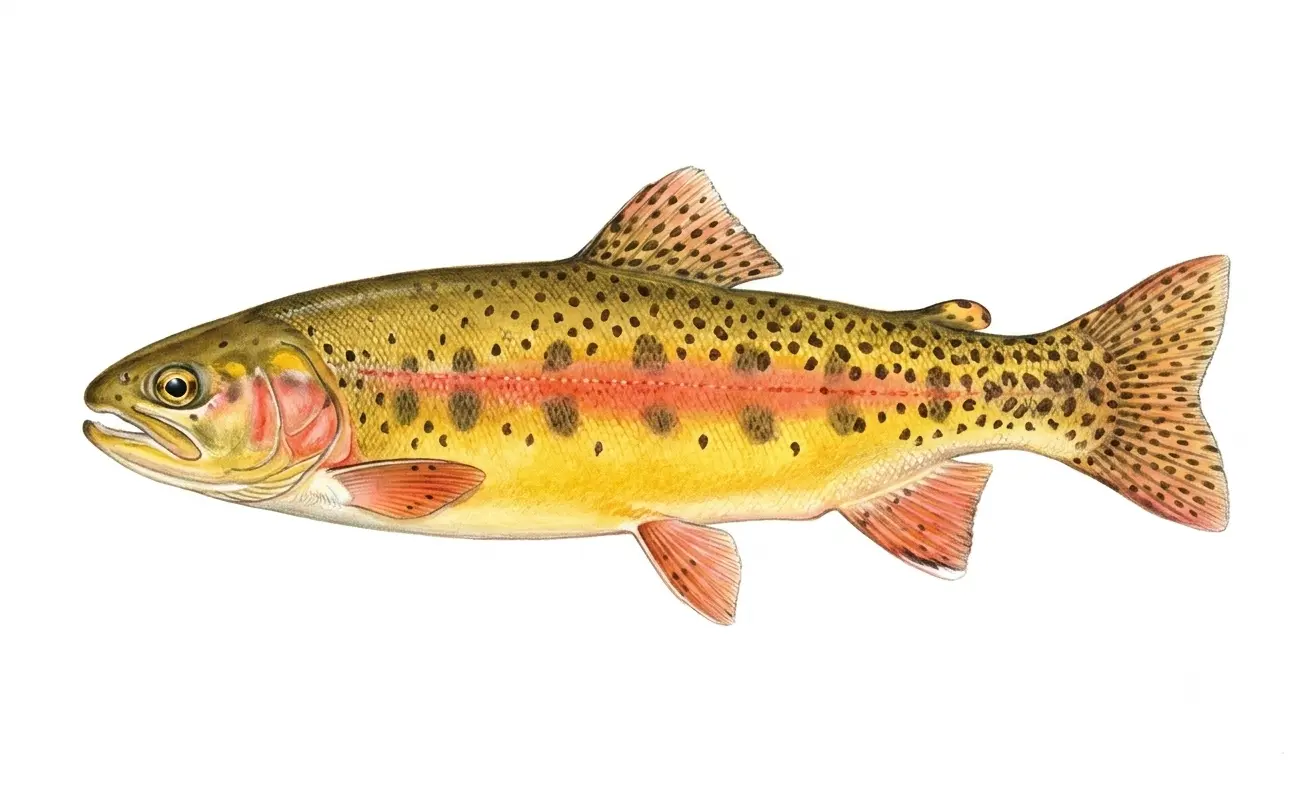
Aerodynamics and beveled slab spoon physics
Machined metal spoons like the Kastmaster, Thomas Buoyant, and Luhr Jensen Krocodile are cut from solid brass stock. Their weight-forward, wedge-shaped profiles cut through crosswinds that stall lightweight balsa plugs and spinners. This allows shore anglers to target cruising fish feeding forty yards from the bank.
When fishing deep impoundments, review our guide on lake trout stocking and deep coldwater tactics to learn how large metal spoons tempt deep-water char.
The lift-and-flutter retrieve cadence
A straight, continuous retrieve produces a steady metallic wobble, but erratic retrieves generate more strikes. Cast out, count down the spoon to the desired depth, and sweep the rod tip from eight o clock to eleven o clock. Pause and allow the spoon to flutter down on a semi-tight line for two seconds before repeating.
- Solid silver and chrome finishes reflect maximum ambient light on overcast days.
- Gold and brass finishes produce warm silhouettes in stained or tannin-rich water.
- Half-blue and half-chrome patterns mimic juvenile shad and pond smelt forage.
Detecting subtle takes on the drop
Trout rarely smash a fluttering spoon with aggressive resistance. Instead, you will see your braided line twitch or suddenly go slack as the fish inhales the spoon during the downward glide. Reel down immediately and set the hook with an upward rod sweep. Check the New York DEC stocking records to locate stocked lakes and ponds across the state.
Post-Stocking Fish Dispersal & Feeding Cycles
How newly planted hatchery trout transition from transport shock to structure holdovers over 14 days.
Schooling & Acclimation
Disoriented by transport tanks. Hold in tight schools near boat ramps, stock pipes, and oxygenated inlet seams.
Structure Dispersal
Schools break up into small pods patrolling shoreline weed edges, downed timber, docks, and 6–15 ft depth contours.
Wild Feeding Habits
Surviving fish become wary of bank anglers and bright daylight. Migrate to deep thermoclines, submerged river channels, and spring holes.
Trout Thermal Activity & Survival Gauge
Recommended Tackle & Angler Gear
Field-tested tackle, baits, and essentials matched to the species and waters featured in this guide.
Berkley PowerBait Floating Trout Dough
Hatchery-raised trout are conditioned to pelleted scents; scented dough floated 12–18 inches off bottom consistently triggers strikes.
Panther Martin Classic Teardrop Inline Spinner
The heavy convex blade spins instantly upon retrieval, sending vibration through the water that triggers aggressive reaction bites along drop-offs.
Sliding Sinker & Treble Hook Rigging Kit
Sliding egg sinkers allow cautious trout to run with bait without feeling line drag, while size 14–16 treble hooks keep dough bait securely pinned.
As an Amazon Associate, StockedWaters earns from qualifying purchases at no additional cost to you. Recommendations are chosen for hatchery-conditioned fish behavior and ethical rigging. We may receive a referral commission if you buy through these links. Read our editorial policy & standards.
Frequently asked
What weight Kastmaster spoon is best for stocked trout in lakes?
The 1/8-ounce and 1/4-ounce sizes are the most versatile across public trout waters. The 1/8-ounce model excels in shallow bays under ten feet, while the 1/4-ounce model casts over fifty yards from shore and cuts through stiff wind to reach suspended schools.
Why do stocked trout often strike spoons while the lure is sinking?
As a slab spoon drops through the water column on a semi-slack line, its asymmetric beveled edges create an erratic side-to-side wobble that flashes like an injured minnow. Predatory trout recognize this wounded action and strike during the pause.
Should you replace the treble hook on a Kastmaster spoon with a single hook?
Yes. Replacing the factory treble with a size 6 or size 8 single siwash hook reduces snagging on rocky bottoms and weed edges. A single hook also penetrates faster on long casts and causes substantially less injury to trout you plan to release.