Drop Shot Rigging for Deep Stocked Trout: Hook Spacing and Weight Selection
When summer heat forces stocked trout into deep thermoclines, traditional bobbers fail. Here is how to rig drop shot systems to suspend soft plastics off bottom.
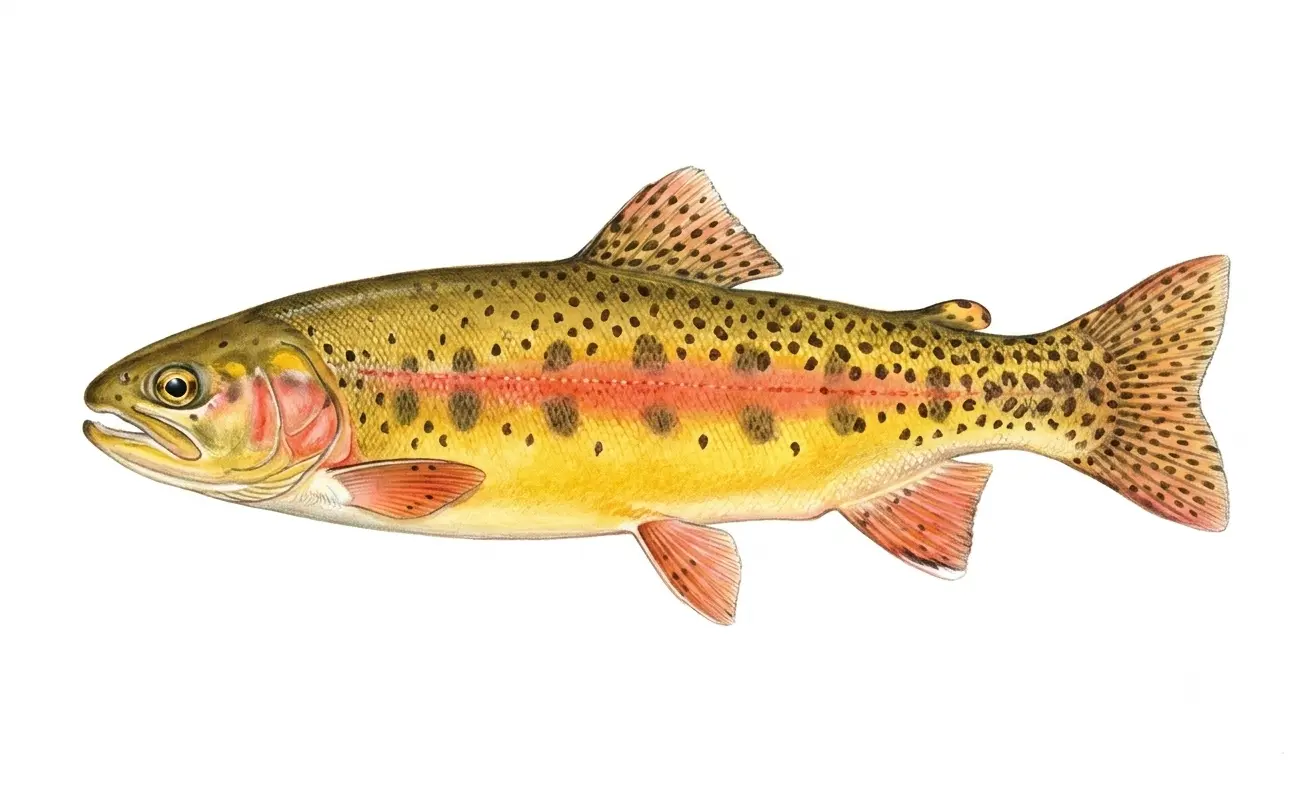
Solving deep water presentation challenges
During summer and late autumn, surface water temperatures climb above the comfort threshold for rainbow trout and brown trout. Fish congregate in twenty to forty feet of water near oxygen-rich thermal strata. Anglers can read our analysis of summer trout survival and thermal stress to understand seasonal holding depth shifts.
Terminal tackle assembly and hook selection
Use a size 8 or 10 light-wire octopus hook or specialized drop shot hook. Pair the hook with a 3/16-ounce or 1/4-ounce quick-release pencil weight. Slender cylinder weights slip through rock crevices and aquatic moss without snagging as easily as round ball weights.
- Fluorocarbon leaders in 4-pound or 6-pound test provide abrasion resistance against zebra mussels and rocks.
- Attach soft plastic floating trout worms, miniature fluke minnows, or scented live nightcrawlers hooked once through the tip.
- Pencil sinkers with pinch-style swivel eyes allow you to adjust leader depth instantly without cutting or retying knots.
Boat positioning and vertical shaking techniques
Drop the rig vertically over deep structure or cast gently toward submerged drop-offs. Maintain line tension while shaking your rod tip gently without lifting the sinker off bottom. This imparts subtle tail quiver to the suspended plastic. Check our New York DEC fish stocking reports to explore deep reservoirs managed by the New York Department of Environmental Conservation.
Post-Stocking Fish Dispersal & Feeding Cycles
How newly planted hatchery trout transition from transport shock to structure holdovers over 14 days.
Schooling & Acclimation
Disoriented by transport tanks. Hold in tight schools near boat ramps, stock pipes, and oxygenated inlet seams.
Structure Dispersal
Schools break up into small pods patrolling shoreline weed edges, downed timber, docks, and 6–15 ft depth contours.
Wild Feeding Habits
Surviving fish become wary of bank anglers and bright daylight. Migrate to deep thermoclines, submerged river channels, and spring holes.
Trout Thermal Activity & Survival Gauge
Recommended Tackle & Angler Gear
Field-tested tackle, baits, and essentials matched to the species and waters featured in this guide.
Berkley PowerBait Floating Trout Dough
Hatchery-raised trout are conditioned to pelleted scents; scented dough floated 12–18 inches off bottom consistently triggers strikes.
Panther Martin Classic Teardrop Inline Spinner
The heavy convex blade spins instantly upon retrieval, sending vibration through the water that triggers aggressive reaction bites along drop-offs.
Sliding Sinker & Treble Hook Rigging Kit
Sliding egg sinkers allow cautious trout to run with bait without feeling line drag, while size 14–16 treble hooks keep dough bait securely pinned.
As an Amazon Associate, StockedWaters earns from qualifying purchases at no additional cost to you. Recommendations are chosen for hatchery-conditioned fish behavior and ethical rigging. We may receive a referral commission if you buy through these links. Read our editorial policy & standards.
Frequently asked
What is the primary advantage of a drop shot rig over a Carolina slip sinker rig?
A drop shot rig places the weight at the bottom of the leader and the hook suspended above it. This setup gives you precise control over exactly how high your bait hovers above lake sediment or submerged weeds, whereas a sliding sinker rig can drag bait down into bottom debris.
How far above the sinker should the drop shot hook be tied for stocked trout?
Tie the hook between twelve and thirty inches above the sinker. In lakes with thick bottom silt or low-growing moss, set the hook at twenty-four inches. When fish are pinned to clean gravel beds, twelve to sixteen inches keeps the bait directly in their lower field of vision.
What knot is used to keep the drop shot hook standing horizontally?
The Palomar knot is standard for drop shot rigging. After completing the knot, pass the long tag end back through the top of the hook eye toward the bend. This pulls the hook perpendicular to the leader, ensuring the bait stands out horizontally rather than drooping.