Inline Spinners for River Trout: Blade Geometry, Current Seams, and Line Twist
Inline spinners are deadly on river-stocked trout when matched to current speeds. Here is how blade shape, weight balance, and quartering casts trigger strikes.
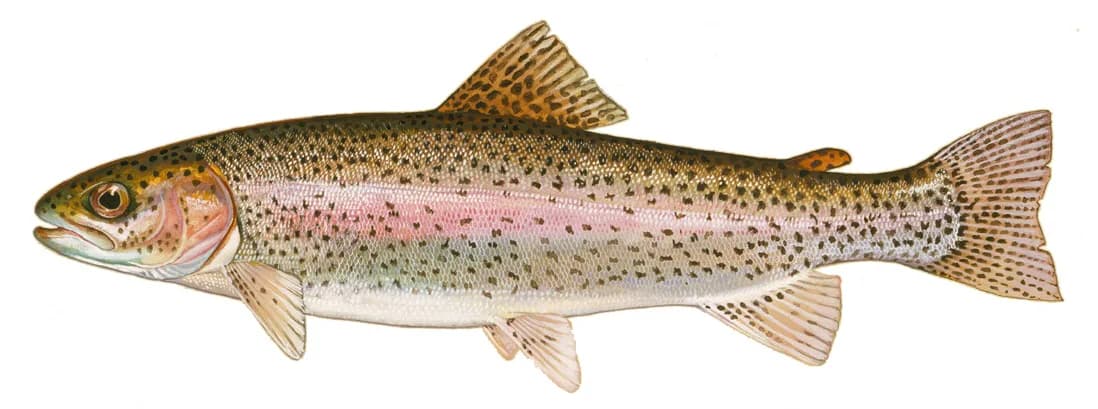
Hydraulic forces and blade selection
Moving water places different physical demands on spinning lures compared to stillwaters. A wide Colorado blade produces high lift that forces the spinner to blow out of fast riffles. A narrow willow or French blade spins tight along the wire axis, staying down in current seams where trout rest. Review our guide on casting spoons and spinner blade physics for laboratory testing data.
Reading stream holding lies for stocked trout
Unlike wild fish that hold tight to bottom gravel beds, freshly stocked trout often school in slower tailouts, behind bridge abutments, and along foam eddy lines. Consult our guide on stocked trout in rivers and streams for flow rate adjustments.
- Size 0 and 1 spinners (1/16 oz to 1/8 oz) suit shallow mountain creeks and slow pocket water.
- Size 2 and 3 spinners (1/6 oz to 1/4 oz) cut through heavy runs and deep plunge pools on major rivers.
- Gold blades produce strong flash in tea-colored or stained runoff, while silver blades dominate in clear, sunny waters.
Hook upgrades and catch and release considerations
Stocked trout often strike spinners with enthusiasm, frequently engulfing factory treble hooks deep into their gills. Replacing trebles with single open-eye siwash hooks makes unhooking faster and minimizes fish mortality. The Montana Department of Fish, Wildlife and Parks manages several rivers under single-hook artificial-only rules. Check our Montana fish stocking records to plan your river trips.
Proven Rigs for Stocked Waters
Tactical terminal rigs calibrated for recently stocked gamefish behavior and feeding habits.
12–18 inches off bottom substrate
14–20" of 3–4 lb test fluorocarbon
1/4–1/2 oz sliding egg sinker, 6mm bead, size 10 barrel swivel, size 16 treble or size 10 salmon egg hook
Recommended Tackle & Angler Gear
Field-tested tackle, baits, and essentials matched to the species and waters featured in this guide.
Berkley PowerBait Floating Trout Dough
Hatchery-raised trout are conditioned to pelleted scents; scented dough floated 12–18 inches off bottom consistently triggers strikes.
Panther Martin Classic Teardrop Inline Spinner
The heavy convex blade spins instantly upon retrieval, sending vibration through the water that triggers aggressive reaction bites along drop-offs.
Sliding Sinker & Treble Hook Rigging Kit
Sliding egg sinkers allow cautious trout to run with bait without feeling line drag, while size 14–16 treble hooks keep dough bait securely pinned.
As an Amazon Associate, StockedWaters earns from qualifying purchases at no additional cost to you. Recommendations are chosen for hatchery-conditioned fish behavior and ethical rigging. We may receive a referral commission if you buy through these links. Read our editorial policy & standards.
Frequently asked
What is the difference between a French blade and an inline shaft blade?
French blades use a small brass clevis to rotate around the central wire shaft at a 40-degree angle, creating moderate vibration and lift. Inline blades, such as those on Panther Martin spinners, have the wire shaft passing directly through the blade body, spinning at a tighter 30-degree angle with faster startup in heavy current.
How do you prevent inline spinners from creating severe line twist?
Never tie monofilament directly to the spinner eye. Tie a premium ball-bearing swivel eighteen inches above the lure on your leader, or use a small snap swivel equipped with dual rotating rings. Ball-bearing swivels rotate freely under tension, preventing line twist from migrating up your spool.
What is the most effective casting angle when fishing spinners in moving water?
Cast quartering upstream at a 45-degree angle to the opposite bank. Reel just fast enough to engage the blade rotation as current sweeps the lure down through holding seams. Downstream retrieves force the lure to the surface and move too quickly past staging fish.