Fish Lateral Line System: How Stocked Gamefish Sense Underwater Vibration
Fish do not rely solely on vision to hunt. Here is how the lateral line organ detects pressure waves, lure thumps, and feeding opportunities in low visibility.
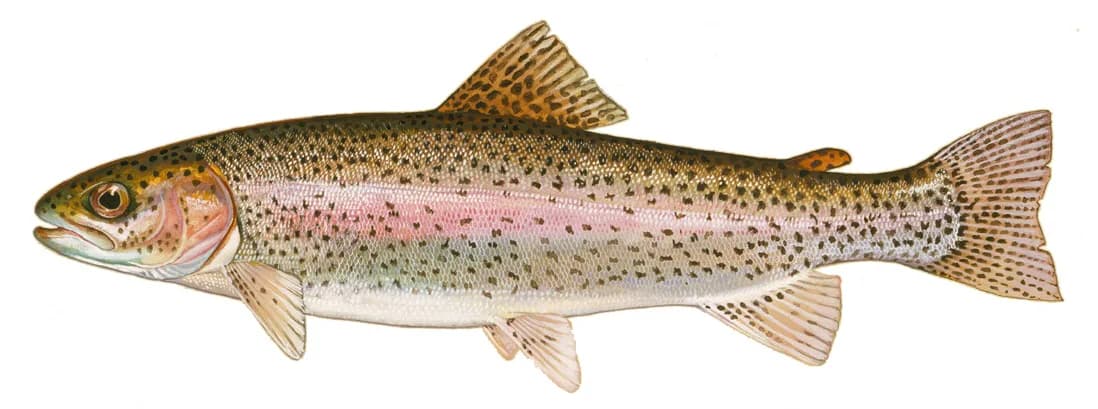
Anatomy and mechanoreception of neuromasts
Running from the gill cover to the base of the caudal fin, the lateral line appears as a faint horizontal seam across fish scales. Pores in the scales allow water pressure changes to enter subdermal canals. Inside, jelly-like cupulae shift, bending sensory cilia and transmitting nerve impulses to the brain in milliseconds.
When fishing stained runoff or night conditions, read our guide on water clarity and color selection in stocked lakes to balance visual and mechanical lure attractors.
Matching lure vibration to sensory reception
Different lure designs produce distinctive acoustic signatures in the water column. Cupped spoons create a slow, heavy pulse, while tight-wobbling plugs emit high-frequency acoustic chatter. Hatchery fish, raised in raceways where water flows over concrete walls, are attuned to directional water currents.
- Colorado spinner blades: Produces strong low-frequency thumps (10 to 30 Hz) detectable from twenty feet away in muddy water.
- Willow blades: Narrower displacement footprint (50 to 90 Hz), designed for clear water where fish track flash visually.
- Rattling crankbaits: Internal steel or tungsten balls emit sharp acoustic clicks that travel extended distances through dense water.
Night and murky water applications
In low-light situations, predatory species like largemouth bass, walleye, and brown trout hunt almost exclusively by mechanical vibration. For detailed regulations and tactical setups, see our night fishing for stocked trout and catfish guide and check Utah DWR stocking reports.
Proven Rigs for Stocked Waters
Tactical terminal rigs calibrated for recently stocked gamefish behavior and feeding habits.
12–18 inches off bottom substrate
14–20" of 3–4 lb test fluorocarbon
1/4–1/2 oz sliding egg sinker, 6mm bead, size 10 barrel swivel, size 16 treble or size 10 salmon egg hook
Recommended Tackle & Angler Gear
Field-tested tackle, baits, and essentials matched to the species and waters featured in this guide.
Aluminum Fishing Pliers with Braid Cutters
Safely removes hooks, pinches split-shot sinkers, and cleanly snips braided, mono, and fluorocarbon lines.
Plano Waterproof Utility Tackle Box Tray (3600)
Keeps terminal tackle, weights, and spinners dry and corrosion-free with customizable compartments.
As an Amazon Associate, StockedWaters earns from qualifying purchases at no additional cost to you. Recommendations are chosen for hatchery-conditioned fish behavior and ethical rigging. We may receive a referral commission if you buy through these links. Read our editorial policy & standards.
Frequently asked
What is the lateral line in fish and what is its function?
The lateral line is a sensory system of fluid-filled canals located along both sides of a fish body. Inside these canals, specialized receptor organs called neuromasts contain microscopic hair cells that bend in response to water displacement and low-frequency vibrations, functioning as underwater touch sensors.
What frequency range does a trout lateral line detect?
The lateral line detects low-frequency hydrodynamic waves between 1 and 200 Hertz. This range matches the mechanical pulse generated by swimming baitfish, spinning metal blades, wobbling crankbaits, and crawling crayfish.
Can stocked trout find lures using only their lateral line in complete darkness?
Yes. Blind cave fish and fish feeding in muddy water or at night use their lateral lines to build a hydro-acoustic map of their surroundings. A rhythmic lure pulse allows a trout to pinpoint and intercept a moving lure without visual confirmation.