Casting Spoons and Spinners for Stocked Trout: Blade Physics and Depth
Hardware lures trigger aggressive reaction strikes from stocked trout. Learn how blade shapes determine lift, vibration, and depth control.
The mechanics of reaction strikes on metal hardware
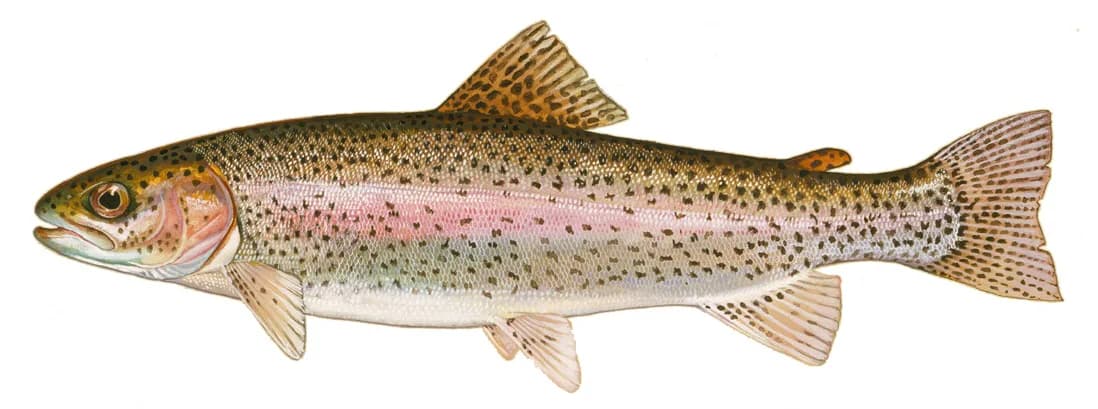
Bait fishing with dough or worms relies on olfactory taste and scent. Spoons and spinners work on an entirely different sensory system: lateral line vibration and visual flash. In waters stocked by the New York DEC, freshly released rainbow trout and brown trout strike hardware out of predatory reflex.
Hatchery fish are competitive. When a flashing metal blade pulses through a school, trout instinctively strike before a schoolmate can steal the perceived prey. Mastering lure physics ensures your presentation reaches the strike zone.
Spinner blade aerodynamics: French, Colorado, and willow styles
The blade shape of an inline spinner dictates its operational depth and the frequency of vibration it emits through the water column:
- French blades (Rooster Tail, Mepps): Teardrop shape with a 40-degree rotation angle. A versatile blade that works well across moderate retrieve speeds in both lakes and streams.
- Colorado blades (Panther Martin style): Broad, circular design that spins at a wide 60-degree angle. Generates heavy thump and high water resistance, allowing slow retrieves over shallow weeds.
- Willow-leaf blades: Long, slender profile with a tight 30-degree rotation angle. Produces low water resistance, allowing the lure to cut deep into fast currents without rising to the surface.
Casting spoons: weight distribution and flutter action
Casting spoons (such as Kastmasters and Thomas Buoyants) are aerodynamic metal wedges. Their dense profiles allow long casts into headwinds, reaching mid-lake structure from shore.
Master the countdown retrieve. Cast the spoon out and count "one-one-thousand, two-one-thousand" until it hits the bottom. If it takes eight seconds to touch down, your next retrieve can start at five seconds, keeping the lure tracking two feet above bottom snags. Every few turns, stop reeling for two seconds to let the spoon flutter down.
Single hook conversions and New York regulations
Many New York artificial-lure-only waters mandate single hooks. Replacing factory trebles with size 6 or size 4 single Siwash hooks reduces weed snagging and speeds up unhooking. Check regional lake rules near Rochester stocked waters or review our complete New York trout stocking guide for seasonal updates.
Proven Rigs for Stocked Waters
Tactical terminal rigs calibrated for recently stocked gamefish behavior and feeding habits.
12–18 inches off bottom substrate
14–20" of 3–4 lb test fluorocarbon
1/4–1/2 oz sliding egg sinker, 6mm bead, size 10 barrel swivel, size 16 treble or size 10 salmon egg hook
Recommended Tackle & Angler Gear
Field-tested tackle, baits, and essentials matched to the species and waters featured in this guide.
Berkley PowerBait Floating Trout Dough
Hatchery-raised trout are conditioned to pelleted scents; scented dough floated 12–18 inches off bottom consistently triggers strikes.
Panther Martin Classic Teardrop Inline Spinner
The heavy convex blade spins instantly upon retrieval, sending vibration through the water that triggers aggressive reaction bites along drop-offs.
Sliding Sinker & Treble Hook Rigging Kit
Sliding egg sinkers allow cautious trout to run with bait without feeling line drag, while size 14–16 treble hooks keep dough bait securely pinned.
As an Amazon Associate, StockedWaters earns from qualifying purchases at no additional cost to you. Recommendations are chosen for hatchery-conditioned fish behavior and ethical rigging. We may receive a referral commission if you buy through these links. Read our editorial policy & standards.
Frequently asked
What is the difference between an inline spinner and a casting spoon?
An inline spinner features a metallic blade that rotates 360 degrees around a central wire shaft, creating strong lateral vibrations. A casting spoon is a solid, curved metal slab that wobbles from side to side and flutters on the drop without a rotating shaft.
How do blade styles change spinner depth and speed?
French blades (classic teardrop) rotate at a 40-degree angle, balancing lift and retrieve speed. Wide, rounded Colorado blades rotate at a 60-degree angle, creating high water resistance and maximum lift for shallow, slow retrieves. Narrow willow-leaf blades run deepest.
Why should you swap treble hooks for single hooks on spoons?
Stock treble hooks frequently foul on submerged weeds, snag shoreline rocks, and cause mouth damage that makes catch-and-release difficult. An open-eye Siwash single hook reduces snags by half and penetrates jaw cartilage cleanly.
What retrieve cadence works best for spoons in deep lakes?
The countdown method: cast your spoon, count seconds as it sinks (most spoons drop roughly one foot per second), and begin a lift-and-drop retrieve. Pausing every four or five reel turns allows the spoon to flutter down, triggering reaction strikes.