Hatchery Trout Size Categories: Sub-Catchables and Broodstock Plants
State hatcheries stock fish across multiple size classes. Learn the difference between fingerlings, standard catchables, and retired trophy broodstock.
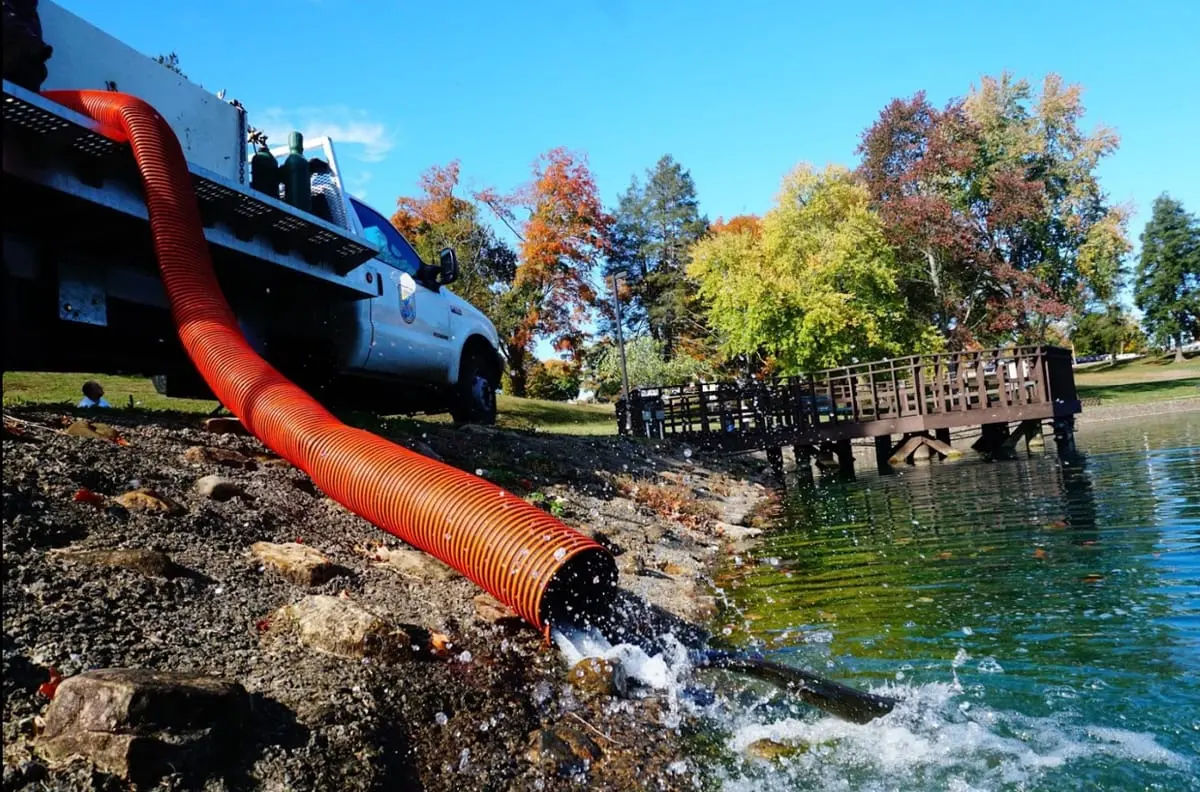
The production spectrum: rearing fish by size
When anglers read a public stocking report published by the California Department of Fish and Wildlife, they see total fish numbers and average lengths. Hatcheries manage fish across distinct size categories to balance operational budgets with recreational goals.
Rearing a trout to 12 inches requires significantly more commercial feed, raceway space, and oxygen than stocking smaller fish. Understanding these categories helps anglers interpret state reports and target waters offering quality or trophy opportunities.
The four primary size classifications
State wildlife agencies group planted trout into four standard size tiers:
- Fingerlings and fry (1 to 4 inches): Planted primarily in high alpine lakes or large productive reservoirs where wild food allows rapid growth at minimal hatchery cost.
- Sub-catchables (6 to 8 inches): Released in spring into rich lowland lakes with high insect biomass. These fish grow into full keepers within 60 to 90 days.
- Standard catchables (9 to 12 inches): The backbone of public put-and-take programs, bred for immediate angler harvest in high-use roadside lakes.
- Quality plants (12 to 14 inches): Premium fish reared longer in select hatcheries to provide larger average fish for special derby waters.
Broodstock plants: the trophy opportunity
The largest fish released by state hatcheries are retired broodstock. Hatcheries maintain captive populations of rainbow trout and brown trout for several years to produce millions of eggs.
Once these fish reach four to six years of age, their egg viability decreases. Rather than culling them, state hatcheries distribute these trophy fish (weighing three to eight pounds) into public lakes. Because broodstock are accustomed to competing aggressively for food, they bite spoons and nightcrawlers readily.
Locating trophy plants in California
CDFW regularly plants quality trout and retired broodstock in northern waters near Redding stocked lakes and eastern Sierra reservoirs. Compare size classifications in our guide to catchable vs fingerling stocking sizes, or explore our California stocked waters directory for weekly updates.
The StockedWaters Verification Pipeline
How state wildlife department stocking records are gathered, verified, geocoded, and published.
Agency Data Ingestion
CDFW · WDFW · FWP · DWR · DEC
Each data release pulls stocking records from official state wildlife agency open-data portals and published reports.
Taxonomy & Alias Resolution
Standardized Biological Profiles
Resolves conflicting agency abbreviations (e.g., 'RT', 'CATCHABLE RB', 'RAINBOW TROUT') into canonical species profiles with size parsing.
GNIS Spatial Geocoding
USGS GNIS Name Matching
Waterbodies are matched to USGS Geographic Names Information System names and coordinates where a confident match exists. Unmatched waters stay off maps and near-me lists rather than being guessed.
Date-Precision Guard
Zero-Fabrication Data Standard
We preserve the agency's reporting precision: day, week, month, or year. Dates are never invented or made more precise than the source.
Recommended Tackle & Angler Gear
Field-tested tackle, baits, and essentials matched to the species and waters featured in this guide.
Berkley PowerBait Floating Trout Dough
Hatchery-raised trout are conditioned to pelleted scents; scented dough floated 12–18 inches off bottom consistently triggers strikes.
Panther Martin Classic Teardrop Inline Spinner
The heavy convex blade spins instantly upon retrieval, sending vibration through the water that triggers aggressive reaction bites along drop-offs.
Sliding Sinker & Treble Hook Rigging Kit
Sliding egg sinkers allow cautious trout to run with bait without feeling line drag, while size 14–16 treble hooks keep dough bait securely pinned.
As an Amazon Associate, StockedWaters earns from qualifying purchases at no additional cost to you. Recommendations are chosen for hatchery-conditioned fish behavior and ethical rigging. We may receive a referral commission if you buy through these links. Read our editorial policy & standards.
Frequently asked
What is a sub-catchable trout?
A sub-catchable trout is a hatchery fish measuring between 6 and 8 inches. States plant them in fertile waters where they can feed on natural forage and grow into catchable size over several months at lower production cost than rearing them in hatcheries.
What is the standard size of a catchable stocked trout?
Standard catchable trout measure between 9 and 12 inches (weighing roughly 1/3 to 1/2 pound) when released. This is the most common size class stocked into roadside lakes and urban ponds for immediate recreational harvest.
What is a retired broodstock plant and why do states stock them?
Broodstock are adult fish kept in hatcheries for three to five years to provide eggs and milt. When their reproductive viability declines, hatcheries release these 16-to-26-inch, 3-to-8-pound giants into public waters as exciting trophy opportunities.
Where can you find broodstock trout stocking announcements?
State agencies like CDFW, WDFW, and Utah DWR note broodstock plants on weekly stocking reports, often scheduling them in accessible family waters before holiday weekends or during winter holiday derbies.