Trolling for Stocked Trout in Lakes: Sinking Lines and Speed Control
Trolling lets anglers cover acres of water efficiently. Here is how to manage GPS trolling speeds, sinking lines, and spoon depths on stocked lakes.
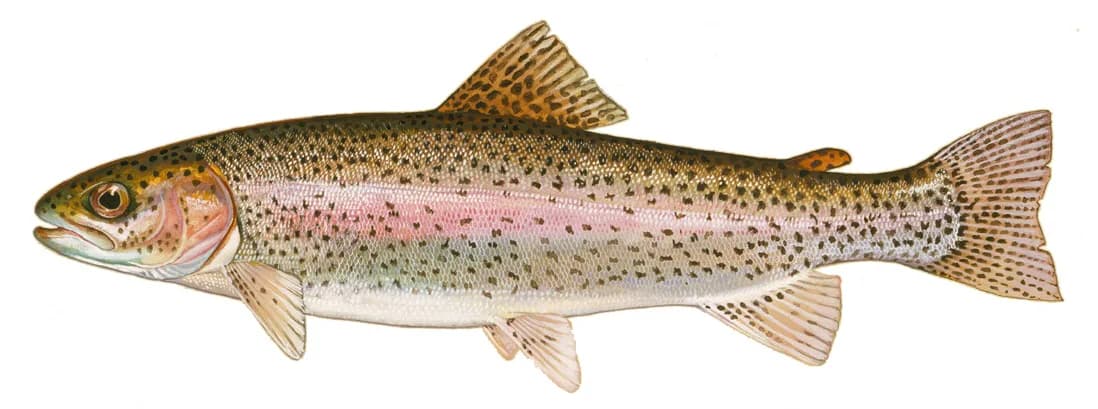
Covering open water: the logic of trolling
While bank anglers remain stationary, trolling allows a boat, kayak, or canoe to present lures across expansive lake basins. On large reservoirs stocked by the Washington Department of Fish and Wildlife, rainbow trout and kokanee roam open water in search of zooplankton schools.
Trolling eliminates the guesswork of waiting for fish to swim past your bank chair. By controlling boat speed and lure depth, you can locate active schools and repeat productive passes.
Speed control: using GPS for precision
Speed is the most critical variable in trolling. Gauge speed using a smartphone GPS or fish finder speed-over-ground (SOG) readout, not motor RPMs, because wind and surface chop constantly alter your actual drift rate.
- Target speed window: Maintain between 1.3 and 1.7 miles per hour for rainbow trout, and 1.1 to 1.4 mph for kokanee.
- Checking lure action: Hold your lure alongside the boat at your target speed before letting out line. Ensure it wobbles with a rhythmic kick rather than rolling into a rapid spin.
- Trolling socks and drift bags: If an outboard motor idles too fast, deploy a drift sock or five-gallon bucket off the bow to slow forward momentum.
Depth management: leadcore, divers, and sinking lines
In spring and autumn, trout feed near the surface, allowing simple flatline monofilament trolling with no extra weight. During warm summer months, trout descend beneath the thermocline into 18 to 35 feet of water.
To reach deep fish without expensive downrigger setups, use segmented leadcore line. Three colors of leadcore put a small spoon into the 15-foot zone. Alternatively, a 1/2-ounce inline torpedo sinker placed six feet ahead of a spoon gets the rig down quickly. For setup details, see our guide on trout rig setups for stocked lakes.
Productive trolling waters in Washington
Anglers can troll productive waters near Vancouver stocked lakes or check the wide-open waters of the Columbia Basin. Visit our full Washington fish stocking directory to plan your boat outing.
Proven Rigs for Stocked Waters
Tactical terminal rigs calibrated for recently stocked gamefish behavior and feeding habits.
12–18 inches off bottom substrate
14–20" of 3–4 lb test fluorocarbon
1/4–1/2 oz sliding egg sinker, 6mm bead, size 10 barrel swivel, size 16 treble or size 10 salmon egg hook
Recommended Tackle & Angler Gear
Field-tested tackle, baits, and essentials matched to the species and waters featured in this guide.
Berkley PowerBait Floating Trout Dough
Hatchery-raised trout are conditioned to pelleted scents; scented dough floated 12–18 inches off bottom consistently triggers strikes.
Panther Martin Classic Teardrop Inline Spinner
The heavy convex blade spins instantly upon retrieval, sending vibration through the water that triggers aggressive reaction bites along drop-offs.
Sliding Sinker & Treble Hook Rigging Kit
Sliding egg sinkers allow cautious trout to run with bait without feeling line drag, while size 14–16 treble hooks keep dough bait securely pinned.
As an Amazon Associate, StockedWaters earns from qualifying purchases at no additional cost to you. Recommendations are chosen for hatchery-conditioned fish behavior and ethical rigging. We may receive a referral commission if you buy through these links. Read our editorial policy & standards.
Frequently asked
What is the best trolling speed for stocked rainbow trout?
The ideal trolling speed for stocked rainbow trout is between 1.3 and 1.8 miles per hour. Trolling faster than 2.0 mph causes small spoons to spin wildly out of control, while speeds under 1.1 mph may fail to engage lure blades.
How do you get light lures down to deep trout without a downrigger?
You can reach depths of 15 to 30 feet using weighted keel sinkers, mini diver discs, or segmented leadcore line. Each color segment (30 feet) of 18-pound leadcore line sinks roughly five feet at standard trolling speeds.
Why are S-turn boat paths more effective than straight lines?
Steering in wide S-curves causes outside lures to speed up and rise, while inside lures slow down and flutter toward the bottom. This erratic surge and drop mimics wounded forage and triggers follow-up strikes from trailing trout.
How far behind the boat should you troll a trout lure?
Set lines between 50 and 100 feet behind the boat. In clear water or shallow lakes under 15 feet deep, longer setbacks (75 to 100 feet) keep lures away from propeller wash and hull shadows.