Float Tube and Pontoon Fishing for Stocked Trout: Rigging and Water Safety
Float tubes and pontoon boats give anglers access to offshore shelf breaks that shore anglers cannot reach. Here is how to rig, navigate, and stay safe on stocked lakes.
Advantages of personal watercraft on stocked trout lakes
Shoreline access on public trout lakes often limits casting distance. Dense brush, private docks, and crowded bank areas push fish into deeper open water. A float tube or one-person inflatable pontoon opens up water that bank anglers cannot reach while eliminating the expense of a trailer boat.
According to boating regulations from the Washington Department of Fish and Wildlife, personal watercraft users must adhere to specific life jacket standards. Review our Washington fish stocking guide to identify waters that feature primitive walk-in launch points ideal for packable craft.
Fin propulsion and foot gear selection
Trout fins differ from scuba fins. Force fins and hinged kick fins generate forward and reverse thrust on both the push and pull stroke. This bilateral motion reduces calf fatigue during five-hour fishing sessions. Neoprene booties fit inside open-heel fins, allowing comfortable foot movement through cold mountain water.
- Choose stiff composite blades rather than soft rubber fins for better propulsion in stiff winds.
- Secure fin keepers around your ankles to avoid losing a fin in muddy lake bottoms.
- Dress in moisture-wicking fleece base layers underneath breathable waders to prevent sweat condensation.
- Attach a safety clip whistle directly to your life jacket zipper for emergency signaling.
Rigging portable fish finders and rod holders
Modern castable sonar units and compact fish finders strap directly around float tube pontoons with nylon cinch straps. Positioning the transducer below the hull line ensures a clean signal without interference from your kicking feet. A two-rod strap holder lets you keep a stationary still-water slip-sinker rig active while actively casting an inline spinner or streamer fly.
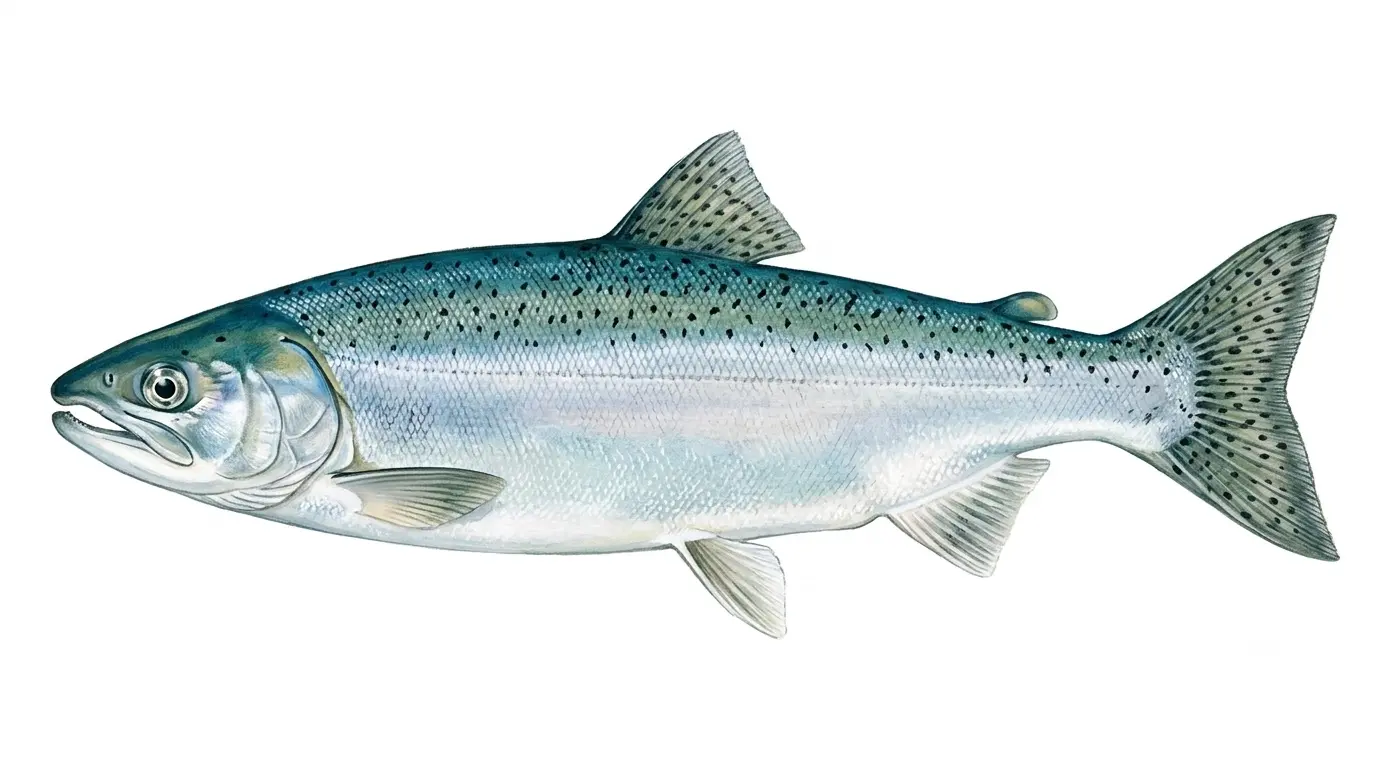
When targeting rainbow trout, position your craft outside the weed line and cast toward the shallows. Retrieving lures down the sloping bottom profile keeps the presentation in the strike zone longer than shore-based retrieves.
Proven Rigs for Stocked Waters
Tactical terminal rigs calibrated for recently stocked gamefish behavior and feeding habits.
12–18 inches off bottom substrate
14–20" of 3–4 lb test fluorocarbon
1/4–1/2 oz sliding egg sinker, 6mm bead, size 10 barrel swivel, size 16 treble or size 10 salmon egg hook
Recommended Tackle & Angler Gear
Field-tested tackle, baits, and essentials matched to the species and waters featured in this guide.
Berkley PowerBait Floating Trout Dough
Hatchery-raised trout are conditioned to pelleted scents; scented dough floated 12–18 inches off bottom consistently triggers strikes.
Panther Martin Classic Teardrop Inline Spinner
The heavy convex blade spins instantly upon retrieval, sending vibration through the water that triggers aggressive reaction bites along drop-offs.
Sliding Sinker & Treble Hook Rigging Kit
Sliding egg sinkers allow cautious trout to run with bait without feeling line drag, while size 14–16 treble hooks keep dough bait securely pinned.
As an Amazon Associate, StockedWaters earns from qualifying purchases at no additional cost to you. Recommendations are chosen for hatchery-conditioned fish behavior and ethical rigging. We may receive a referral commission if you buy through these links. Read our editorial policy & standards.
Frequently asked
What safety gear is mandatory when fishing from a float tube?
Most state agencies, including the Washington Department of Fish and Wildlife, classify float tubes and kick boats as watercraft. You must carry a Coast Guard approved personal flotation device and a sounding whistle. Wear neoprene waders paired with wading boots or specialized dive booties to prevent hypothermia in cold spring water.
How do you control drift and boat position in a float tube without an anchor?
Kick fins provide continuous directional control. Anglers use stiff paddle fins to back into gentle lake breezes, keeping their casting arm free. In winds above eight miles per hour, deploy a small three-pound folding grapple anchor attached to a quick-release cleat to hold position along weed edges.
Where should float tube anglers focus their efforts on stocked lakes?
Focus on drop-offs where shallow shoreline flats plunge into ten to twenty feet of water. Stocked trout cruise these transition ledges while searching for chironomid pupae and callibaetis nymphs. Float tubes allow you to cast parallel to the weed wall rather than perpendicular to it.