Stocked Trout in Rivers and Streams: Reading Current and Holding Water
Hatchery trout raised in circular concrete raceways face new hydraulic forces in rivers. Learn where they hold along current seams and how to drift bait.
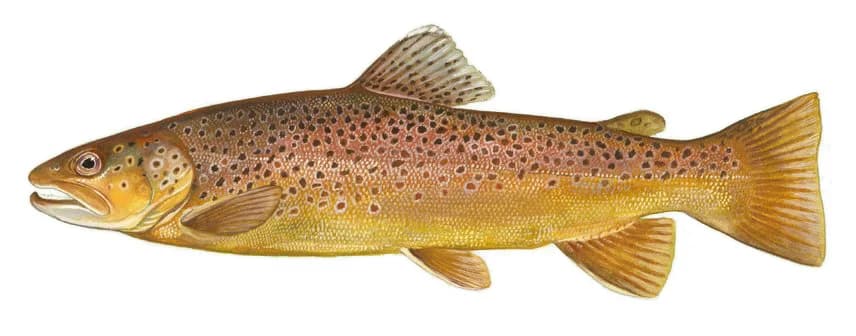
The hydraulic shock of moving water on hatchery fish
Trout raised in state fish hatcheries spend their lives in concrete raceways with controlled, predictable water flow. When a stocking truck releases several hundred rainbow trout into a free-flowing river, the fish face turbulent currents, shifting gravel, and variable flow velocities. The Montana Fish, Wildlife & Parks manages river plants carefully to avoid washing disoriented fish downstream.
Understanding how hatchery fish react to current allows river anglers to locate fish quickly. Unlike wild fish that hold right in front of mid-stream boulders, freshly stocked fish congregate in low-energy holding water.
Reading river structure: identifying key holding zones
When fishing a stocked river or stream, look for areas where current velocity drops below one foot per second. Four primary zones hold the highest concentrations of fish:
- Current seams: The visible line where fast main-channel water meets a slow side pool. Fish hold in the slack water and dart into the current to intercept drifting food.
- Pool tailouts: The gradual rise at the downstream end of a deep pool just before the water breaks into the next riffle. Water slows down here, allowing fish to rest with minimal effort.
- Bridge pilings and culvert outflows: Structural concrete creates large eddy pockets with reverse flow, offering protection from the main river thrust.
- Inside river bends: The shallow, slow-moving inside curve of a river bend collects drifting organic material and provides easy swimming conditions.
Drift mechanics: matching the current speed
The most common mistake when fishing rivers is retrieving lures too quickly against the flow. A lure retrieved against a heavy current looks unnatural and forces a cold hatchery fish to expend too much energy in pursuit.
Instead, master the dead-drift. Cast upstream at a 45-degree angle. Allow your bait or fly to drift naturally downstream at the exact speed of the foam line on the surface. Add just enough split shot six inches above your hook to keep the bait drifting near the riverbed without snagging rocks. For tracking downstream movement, read our guide on where stocked trout travel after release.
Exploring Montana moving waters
While Montana manages many rivers for wild fish reproduction, selected community streams and accessible reservoirs receive regular plants. Anglers can inspect local options around Missoula stocked waters or check the complete Montana stocked waters list for specific stream regulations and bag limits.
Proven Rigs for Stocked Waters
Tactical terminal rigs calibrated for recently stocked gamefish behavior and feeding habits.
12–18 inches off bottom substrate
14–20" of 3–4 lb test fluorocarbon
1/4–1/2 oz sliding egg sinker, 6mm bead, size 10 barrel swivel, size 16 treble or size 10 salmon egg hook
Recommended Tackle & Angler Gear
Field-tested tackle, baits, and essentials matched to the species and waters featured in this guide.
Berkley PowerBait Floating Trout Dough
Hatchery-raised trout are conditioned to pelleted scents; scented dough floated 12–18 inches off bottom consistently triggers strikes.
Panther Martin Classic Teardrop Inline Spinner
The heavy convex blade spins instantly upon retrieval, sending vibration through the water that triggers aggressive reaction bites along drop-offs.
Sliding Sinker & Treble Hook Rigging Kit
Sliding egg sinkers allow cautious trout to run with bait without feeling line drag, while size 14–16 treble hooks keep dough bait securely pinned.
As an Amazon Associate, StockedWaters earns from qualifying purchases at no additional cost to you. Recommendations are chosen for hatchery-conditioned fish behavior and ethical rigging. We may receive a referral commission if you buy through these links. Read our editorial policy & standards.
Frequently asked
Where do stocked trout go when released into a flowing river?
Hatchery trout lack the physical conditioning of wild river fish. When dumped into moving water, they immediately seek low-velocity areas, such as pool tailouts, back eddies, and the slow side of current seams, rather than holding in heavy mid-river riffles.
How long does it take for hatchery trout to adapt to river current?
Most stocked trout require three to seven days to build swimming stamina and learn how to hold behind bottom boulders. During their first 72 hours, they often bunch together in slow pools near the original stocking access point.
What is the best technique for catching stocked trout in moving water?
Dead-drifting natural baits or small nymphs under a small strike indicator is effective. Weight the rig with split shot so the bait bounces along the bottom at the same speed as the natural bubbles on the current seam.
Why do wild trout outcompete stocked trout in fast water?
Wild trout possess streamlined body shapes, larger fin surface areas, and learned behavior that allows them to hold in feeding lies with minimal energy expenditure. Stocked fish expend more energy swimming in current, causing them to tire faster.