Spring Trout Stocking: Water Temperature Triggers and Early Season Tactics
Spring trout stocking begins as ice recedes and water warms past 42°F. Here is how state agencies time early plants and how to present bait to cold trout.
How water temperature dictates the spring stocking calendar
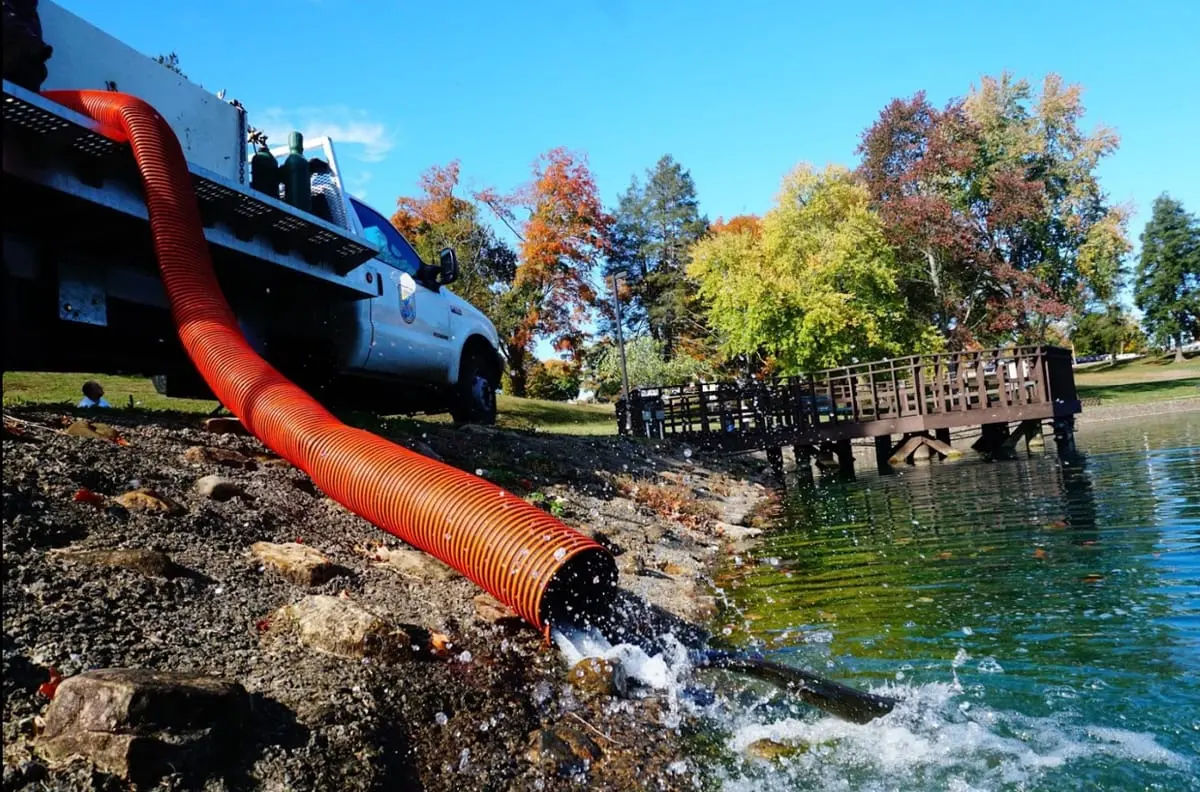
Fisheries personnel do not choose spring stocking dates at random. The annual schedule is governed by water temperature and ice conditions. In northern states like New York, hatchery trucks wait until frozen lakes thaw completely and surface water climbs above 40°F. The New York DEC stocking program schedules its early hatchery runs from late March through April, adjusting routes if lingering winter weather freezes access ramps.
The ideal thermal window for releasing hatchery-raised rainbow trout and brown trout is between 42°F and 52°F. At these temperatures, the water holds high concentrations of dissolved oxygen, and the temperature difference between the hatchery transport tanks and the lake is minimal.
Metabolism and feeding activity in cold water
In water below 45°F, a trout needs up to 48 hours to fully digest a single small meal. Because their metabolic rate is low, freshly stocked trout do not waste energy chasing aggressive, fast-moving hardware. Anglers who burn heavy spoons across deep water in April often leave empty-handed, while those who fish slow, stationary presentations catch limits.
Feeding windows also shift by time of day. Unlike summer fishing, where dawn and dusk offer peak action, early spring fishing is often best from 11:00 AM to 3:00 PM. Solar radiation warms the top few inches of water, waking up aquatic invertebrates and stimulating fish activity. See our guide on the best time of day for stocked trout for seasonal hourly patterns.
Locating spring trout: shallow flats and solar heating
During summer, trout retreat to deep, cool water. In early spring, the opposite occurs. Deep basin water remains cold and dense at roughly 39°F, while shallow shoreline flats absorb solar heat. Mud bottoms and dark silt absorb sunlight faster than light sand or granite.
- North-facing shorelines that receive full southern sun exposure during midday.
- Shallow bays protected from cold spring winds with depths of three to eight feet.
- Culverts, stream inlets, and runoff drains that wash terrestrial insects and warmed surface water into the main basin.
- Submerged wood and emergent reed edges that provide windbreaks and shelter.
Rigging and presentation adjustments for early season plants
To entice sluggish early-season fish, use lighter lines and downsized terminal gear. Fluorocarbon leaders in 4-pound test are supple and nearly invisible in clear post-thaw water. A size 8 or 10 single salmon egg hook with a floating bait pellet keeps the presentation elevated off bottom muck.
If you fish active lures, switch to lightweight 1/16-ounce or 1/24-ounce inline spinners with wide Colorado blades that thump at slow retrieval speeds. A slow wobble along the first shoreline breakline mimics an easy meal. For regional waters and verified spring stocking dates, browse our New York stocked waters directory or check regional waters around Albany trout fishing spots.
Post-Stocking Fish Dispersal & Feeding Cycles
How newly planted hatchery trout transition from transport shock to structure holdovers over 14 days.
Schooling & Acclimation
Disoriented by transport tanks. Hold in tight schools near boat ramps, stock pipes, and oxygenated inlet seams.
Structure Dispersal
Schools break up into small pods patrolling shoreline weed edges, downed timber, docks, and 6–15 ft depth contours.
Wild Feeding Habits
Surviving fish become wary of bank anglers and bright daylight. Migrate to deep thermoclines, submerged river channels, and spring holes.
Trout Thermal Activity & Survival Gauge
Recommended Tackle & Angler Gear
Field-tested tackle, baits, and essentials matched to the species and waters featured in this guide.
Berkley PowerBait Floating Trout Dough
Hatchery-raised trout are conditioned to pelleted scents; scented dough floated 12–18 inches off bottom consistently triggers strikes.
Panther Martin Classic Teardrop Inline Spinner
The heavy convex blade spins instantly upon retrieval, sending vibration through the water that triggers aggressive reaction bites along drop-offs.
Sliding Sinker & Treble Hook Rigging Kit
Sliding egg sinkers allow cautious trout to run with bait without feeling line drag, while size 14–16 treble hooks keep dough bait securely pinned.
As an Amazon Associate, StockedWaters earns from qualifying purchases at no additional cost to you. Recommendations are chosen for hatchery-conditioned fish behavior and ethical rigging. We may receive a referral commission if you buy through these links. Read our editorial policy & standards.
Frequently asked
What water temperature triggers spring trout stocking?
State fisheries biologists monitor surface temperatures in early spring. Stocking usually begins once water rises above 40°F and stays below 55°F. Between 42°F and 48°F, hatchery trout experience minimal transport shock and adjust quickly to lake conditions.
How does cold spring water affect stocked trout feeding habits?
Trout are cold-blooded animals with metabolic rates tied directly to water temperature. In 40°F to 46°F water, their digestion is slow, so they rarely chase fast-moving lures. They inspect slow-moving baits, stationary dough baits, and small drifting worms.
Where do stocked trout hold in lakes during early spring?
Freshly planted trout often seek out the warmest available pockets. In March and April, shallow mud-bottom bays and north shores that receive direct sunlight warm 2 to 5 degrees faster than the main lake body, drawing fish into two to six feet of water.
What is the most effective early spring presentation for stocked rainbow trout?
A floating garlic or chartreuse dough bait held 12 inches above a 1/4-ounce slip sinker on 4-pound fluorocarbon leader produces steady bites. Small inline spinners retrieved at slow speeds along shallow drop-offs also trigger strikes during midday warming periods.