Night Fishing for Stocked Species: Regulations, Lights, and Scent
Fishing after dark requires understanding state legal hours and nocturnal fish senses. Here is how to use underwater lights and scent for stocked species.
Checking legal fishing hours and local ordinances
Before planning an evening trip, confirm the legal fishing hours for your target water. Regulations differ between standing lakes and moving streams. The California Department of Fish and Wildlife permits night angling on most inland reservoirs, but municipal park districts frequently close entry gates at dusk.
Streams managed for wild fish or spawning runs often limit fishing to daylight hours (defined as one hour before sunrise to one hour after sunset). Always review specific waterbody entries in state code to ensure compliance.
Nocturnal foraging biology: sight versus chemoreception
Fish species rely on different sensory organs after the sun sets. Understanding these differences changes how you rig your lines:
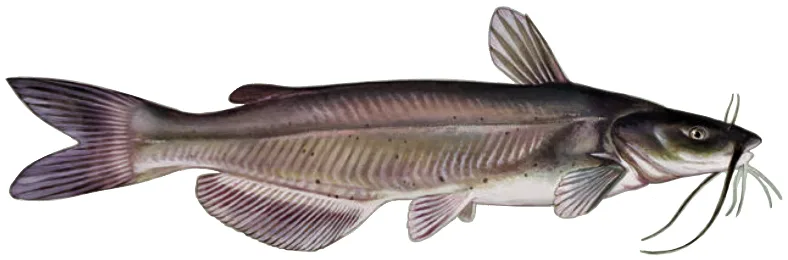
- Channel catfish: Depend heavily on chemical senses. Their skin and eight barbels contain thousands of gustatory receptors that track scent plumes carried by gentle underwater currents.
- Holdover brown trout: Become active nocturnal hunters. Large brown trout have large eyes with high rod densities that spot baitfish silhouettes against the night sky.
- Rainbow trout: Tend to hold in shallow margins under dock lights or illuminated surface water where insect hatches gather.
Using submersible lights to create feeding zones
Submersible LED lights (particularly in green wavelengths between 520 and 560 nanometers) are popular tools for night anglers. Lowering a weighted light 3 to 6 feet below the surface starts a localized food chain.
Within 30 minutes, tiny water fleas and copepods swarm the light perimeter. Small baitfish arrive to feed on the plankton, and larger game fish circle the shadowy outer ring. Cast your bait along the outer darkness rather than directly under the lamp beam.
Targeting California warm-season night plants
During summer months, state and county hatcheries shift from trout to channel catfish stocking in lowland lakes. You can find active night catfishing near Sacramento stocked waters and regional park lakes in Southern California. Review our overview of California catfish stocking in city ponds for seasonal planting windows.
Proven Rigs for Stocked Waters
Tactical terminal rigs calibrated for recently stocked gamefish behavior and feeding habits.
12–18 inches off bottom substrate
14–20" of 3–4 lb test fluorocarbon
1/4–1/2 oz sliding egg sinker, 6mm bead, size 10 barrel swivel, size 16 treble or size 10 salmon egg hook
Recommended Tackle & Angler Gear
Field-tested tackle, baits, and essentials matched to the species and waters featured in this guide.
Berkley PowerBait Floating Trout Dough
Hatchery-raised trout are conditioned to pelleted scents; scented dough floated 12–18 inches off bottom consistently triggers strikes.
Panther Martin Classic Teardrop Inline Spinner
The heavy convex blade spins instantly upon retrieval, sending vibration through the water that triggers aggressive reaction bites along drop-offs.
Sliding Sinker & Treble Hook Rigging Kit
Sliding egg sinkers allow cautious trout to run with bait without feeling line drag, while size 14–16 treble hooks keep dough bait securely pinned.
Heavy Duty Offset Circle Hooks (1/0–3/0)
Circle hooks naturally turn into the corner of a catfish's jaw as it turns, preventing gut-hooking and improving hookup rates.
As an Amazon Associate, StockedWaters earns from qualifying purchases at no additional cost to you. Recommendations are chosen for hatchery-conditioned fish behavior and ethical rigging. We may receive a referral commission if you buy through these links. Read our editorial policy & standards.
Frequently asked
Is night fishing legal for stocked trout and catfish in California?
California allows night fishing on most public lakes and ocean waters, provided local park district or reservoir ordinances do not close the gates at sunset. However, certain special trout streams specify legal fishing hours from one hour before sunrise to one hour after sunset.
Why do stocked channel catfish bite better at night?
Channel catfish are adapted for nocturnal foraging. They possess barbels covered in chemical taste buds and a sensitive lateral line system, allowing them to locate food in zero visibility while avoiding daytime boat activity.
How do submersible green lights attract fish at night?
Submersible green LED lights emit wavelengths that penetrate dark water without dispersing quickly. The light draws phototropic zooplankton, which in turn attracts minnows, shad, and cruising predators like trout and catfish into a concentrated circle.
What is the most effective bait for night fishing stocked catfish?
Fresh chicken liver, cut mackerel, garlic-soaked shrimp, and dip baits anchored on sponge hooks produce strong scent trails. A heavy slip sinker keeps the bait stationary on the bottom while allowing the catfish to take line without feeling resistance.