Issaquah C East Fork Fish Stocking
King County, Washington · 1995–2019 on record
According to Washington fish & wildlife agency, Issaquah C East Fork was last stocked May 1, 2019 with Coho Salmon (144 fish). Issaquah C East Fork has 10 stocking records on file, spanning 1995–2019, with about 302,474 fish stocked over that period.
When Issaquah C East Fork is stocked
Seasonal Stocking Distribution
10 recorded plantings spread across calendar months.
View accessible data table ↓
| Month | Stocking Events |
|---|---|
| January | 0 |
| February | 0 |
| March | 3 |
| April | 6 |
| May | 1 |
| June | 0 |
| July | 0 |
| August | 0 |
| September | 0 |
| October | 0 |
| November | 0 |
| December | 0 |
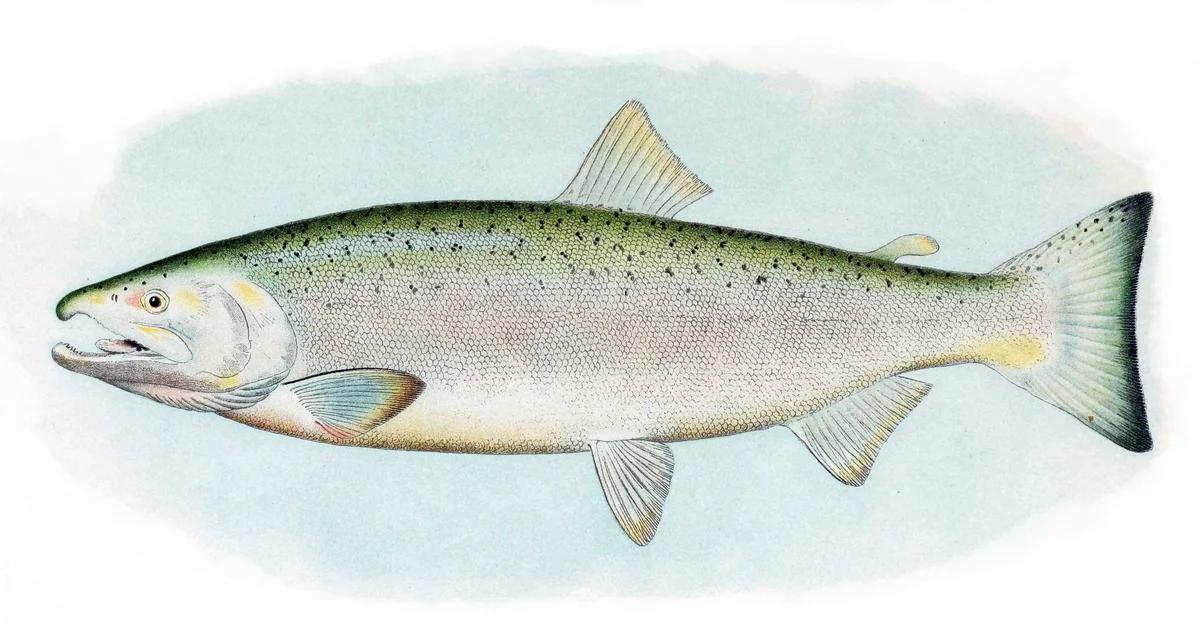
Primary stocked species: Coho Salmon
Stocked Fish Size & Maturity Scale
Biological size distribution reported by agency hatchery loading records.
Reported Lifestage Frequency
By species
Species profiles
Angler's Field Guide
Fishing Tips & Stocking Guide for Issaquah C East Fork
Practical advice on fish behavior, recommended tackle, and state regulations for anglers fishing in King County, Washington.
Post-Plant Behavior & Timing
Hatchery-raised fish are conditioned to pelleted feed and open raceways. Following a release into Issaquah C East Fork, they typically congregate in schools near public access points, boat ramps, or inlets for the first 24 to 48 hours while adjusting to natural water conditions.
Since Issaquah C East Fork was last stocked May 1, 2019, anglers visiting within 1 to 2 weeks of a reported event generally experience the highest activity before fish disperse into deeper cover.
State Regulations & Licensing
- •Fishing License: A valid Washington freshwater fishing license is required for anglers age 16 and older.Purchase Washington license online →
- •Official Rules & Limits: Bag limits, bait restrictions, and seasonal boundaries are set by Washington fish & wildlife agency.Official Washington regulations guidebook →
- •Ethical Conservation: Use barbless hooks and keep fish submerged in water during unhooking.
Recommended Tackle & Presentations
Techniques tailored to the species stocked in Issaquah C East Fork:
Kokanee & Salmon Tactics
Troll small dodgers followed by micro-hoochies or wedding ring spinners tipped with shoepeg corn. Use downriggers or lead-core line to reach cooler thermocline depths (typically 20–50 ft in summer).
Coho Salmon Profile Tips →
A popular fall target in Washington's rivers and marine waters.
Rig diagrams for stocked lakes →How long after stocking fish start biting →
Recommended Tackle for Issaquah C East Fork
Field-tested tackle and presentations matched to the species stocked here.
Mack's Lure Classic Wedding Ring Spinner
A classic Western trolling lure designed to be tipped with shoepeg corn and run behind a dodger in deep thermoclines.
Aluminum Fishing Pliers with Braid Cutters
Safely removes hooks, pinches split-shot sinkers, and cleanly snips braided, mono, and fluorocarbon lines.
Plano Waterproof Utility Tackle Box Tray (3600)
Keeps terminal tackle, weights, and spinners dry and corrosion-free with customizable compartments.
As an Amazon Associate, StockedWaters earns from qualifying purchases at no additional cost to you. Recommendations are chosen for hatchery-conditioned fish behavior and ethical rigging. We may receive a referral commission if you buy through these links. Read our editorial policy & standards.
Nearby stocked waters
Other stocked waters near Issaquah C East Fork, freshest activity first.
Mineral Lake
Lewis County · 3 species · 526 records
Last stocked October 2026
Lewis River North Fork
Cowlitz County · 4 species · 1,374 records
Last stocked October 2026
Big Soos Creek
King County · 3 species · 804 records
Last stocked July 2026
Minter Creek
Kitsap County · 4 species · 651 records
Last stocked July 2026
Cowlitz River
Lewis County · 5 species · 2,643 records
Last stocked June 2026
Fork Creek
Pacific County · 4 species · 561 records
Last stocked June 2026
Stocking history
Most recent stockings first. Dates shown at the precision the agency reported.
| Date | Species | Number | Source |
|---|---|---|---|
| May 1, 2019 | Coho Salmon | 144 | Washington fish & wildlife agency |
| March 31, 1999 | Coho Salmon | 25,567 | Washington fish & wildlife agency |
| March 31, 1999 | Coho Salmon | 17,966 | Washington fish & wildlife agency |
| March 31, 1999 | Coho Salmon | 25,567 | Washington fish & wildlife agency |
| April 21, 1998 | Coho Salmon | 12,644 | Washington fish & wildlife agency |
| April 21, 1998 | Coho Salmon | 53,192 | Washington fish & wildlife agency |
| April 21, 1998 | Coho Salmon | 31,828 | Washington fish & wildlife agency |
| April 24, 1997 | Coho Salmon | 48,200 | Washington fish & wildlife agency |
Show 2 more stocking records →
| Date | Species | Number | Source |
|---|---|---|---|
| April 15, 1996 | Coho Salmon | 49,100 | Washington fish & wildlife agency |
| April 25, 1995 | Coho Salmon | 38,266 | Washington fish & wildlife agency |
The reporting agency did not include fish sizes for this water.
Frequently asked
When was Issaquah C East Fork last stocked?
According to Washington fish & wildlife agency, Issaquah C East Fork was last stocked May 1, 2019 with Coho Salmon (144 fish).
What fish species are stocked in Issaquah C East Fork?
Issaquah C East Fork is stocked with Coho Salmon.
How often is Issaquah C East Fork stocked?
Issaquah C East Fork is stocked intermittently — 10 recorded stockings between 1995 and 2019.
How many fish have been stocked in Issaquah C East Fork?
About 302,474 fish have been stocked in Issaquah C East Fork across 10 recorded events since 1995, per Washington fish & wildlife agency.
Do you need a fishing license to fish Issaquah C East Fork?
Yes, all anglers age 16 and older generally need a valid Washington freshwater fishing license. Always review current regulations from Washington fish & wildlife agency for site-specific rules, bag limits, or stamps.
Why do fish stocking dates or plant schedules change for Issaquah C East Fork?
Stocking schedules published by Washington fish & wildlife agency are planned targets, not exact guarantees. Plants are frequently delayed or rescheduled due to elevated water temperatures (trout experience mortality stress above 68°F), seasonal runoff, severe weather, poor road access, or hatchery trucking logistics.