Farney Lake Fish Stocking
DUCHESNE County, Utah · 1983–2026 on record
According to Utah DWR — Fish Stocking Report, Farney Lake was last stocked September 14, 2026 with Arctic Grayling (2,501 fish). Farney Lake has 16 stocking records on file, spanning 1983–2026, with about 33,580 fish stocked over that period.
When Farney Lake is stocked
Farney Lake is typically stocked in summer, most often in September — 8 stocking events in that peak month.
Seasonal Stocking Distribution
16 recorded plantings spread across calendar months.
View accessible data table ↓
| Month | Stocking Events |
|---|---|
| January | 0 |
| February | 0 |
| March | 0 |
| April | 0 |
| May | 0 |
| June | 0 |
| July | 1 |
| August | 7 |
| September | 8 |
| October | 0 |
| November | 0 |
| December | 0 |
Primary stocked species: Arctic Grayling
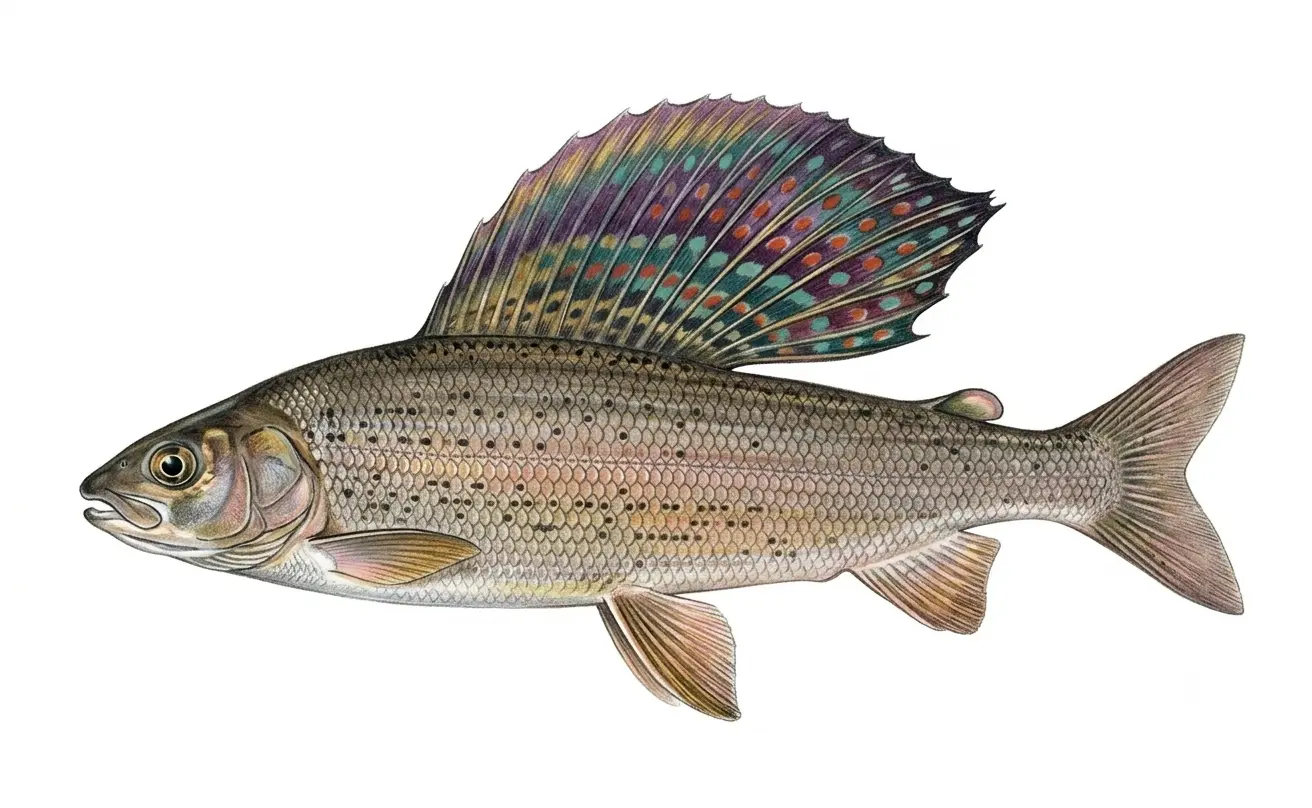
Farney Lake Stocked Species Breakdown
Relative frequency of species planted in this fishery across verified reports.


Stocked Fish Size & Maturity Scale
Biological size distribution reported by agency hatchery loading records.
By species
Species profiles
Angler's Field Guide
Fishing Tips & Stocking Guide for Farney Lake
Practical advice on fish behavior, recommended tackle, and state regulations for anglers fishing in DUCHESNE County, Utah.
Post-Plant Behavior & Timing
Hatchery-raised fish are conditioned to pelleted feed and open raceways. Following a release into Farney Lake, they typically congregate in schools near public access points, boat ramps, or inlets for the first 24 to 48 hours while adjusting to natural water conditions.
Since Farney Lake was last stocked September 14, 2026, anglers visiting within 1 to 2 weeks of a reported event generally experience the highest activity before fish disperse into deeper cover.
State Regulations & Licensing
- •Fishing License: A valid Utah freshwater fishing license is required for anglers age 16 and older.Purchase Utah license online →
- •Official Rules & Limits: Bag limits, bait restrictions, and seasonal boundaries are set by Utah fish & wildlife agency.Official Utah regulations guidebook →
- •Ethical Conservation: Use barbless hooks and keep fish submerged in water during unhooking.Trout Thermal Advisory: When water temperatures rise above 68°F (20°C), released trout face severe mortality from thermal exhaustion. Target warmwater species or fish early in the morning when lakes and streams warm up.
Recommended Tackle & Presentations
Techniques tailored to the species stocked in Farney Lake:
Stocked Trout Tactics
Use light 4–6 lb monofilament or fluorocarbon line. Float scented dough bait (PowerBait) 12–18" off bottom using a sliding slip-sinker rig with a size 14–16 treble hook. For active casting, throw 1/16 to 1/8 oz inline spinners (Panther Martin, Rooster Tail) or small spoons (Kastmaster) along drop-offs.
Arctic Grayling Profile Tips →
A popular dry-fly target in Montana and Utah's high-country waters, prized for its willingness to rise.
Arctic Grayling Profile Tips →
A popular dry-fly target in Montana and Utah's high-country waters, prized for its willingness to rise.
Rig diagrams for stocked lakes →How long after stocking fish start biting →
Recommended Tackle for Farney Lake
Field-tested tackle and presentations matched to the species stocked here.
Berkley PowerBait Floating Trout Dough
Hatchery-raised trout are conditioned to pelleted scents; scented dough floated 12–18 inches off bottom consistently triggers strikes.
Panther Martin Classic Teardrop Inline Spinner
The heavy convex blade spins instantly upon retrieval, sending vibration through the water that triggers aggressive reaction bites along drop-offs.
Sliding Sinker & Treble Hook Rigging Kit
Sliding egg sinkers allow cautious trout to run with bait without feeling line drag, while size 14–16 treble hooks keep dough bait securely pinned.
As an Amazon Associate, StockedWaters earns from qualifying purchases at no additional cost to you. Recommendations are chosen for hatchery-conditioned fish behavior and ethical rigging. We may receive a referral commission if you buy through these links. Read our editorial policy & standards.
Nearby stocked waters
Other stocked waters near Farney Lake, freshest activity first.
Nearby waters by direction
Stocked waters around Farney Lake, by compass bearing and straight-line distance (rings every 15 mi).
Fish Hatchery Lake
Fish Hatchery Lake
0 miDUCHESNE County · 1 species · 15 records
Last stocked September 2026
Margo Lake
2 miDUCHESNE County · 1 species · 14 records
Last stocked September 2026
Grandaddy Lake
2 miDUCHESNE County · 2 species · 11 records
Last stocked September 2026
Lily Pad Lake
1 miDUCHESNE County · 1 species · 20 records
Last stocked July 2026
Lodgepole Lake
2 miDUCHESNE County · 1 species · 14 records
Last stocked July 2026
Rainbow Lake
2 miDUCHESNE County · 1 species · 15 records
Last stocked July 2026
Stocking history
Most recent stockings first. Dates shown at the precision the agency reported.
| Date | Species | Number | Size | Source |
|---|---|---|---|---|
| September 14, 2026 | Arctic Grayling | 2,501 | 2.1" | Utah DWR |
| September 21, 2021 | Arctic Grayling | 2,000 | 2.65" | Utah DWR |
| September 26, 2019 | Arctic Grayling | 2,498 | 2.29" | Utah DWR |
| August 29, 2014 | Arctic Grayling | 2,496 | 2.32" | Utah DWR |
| September 20, 2013 | Arctic Grayling | 2,496 | 3.13" | Utah DWR |
| September 14, 2010 | Arctic Grayling | 2,501 | 2.02" | Utah DWR |
| August 2, 2006 | Arctic Grayling | 2,499 | 1.66" | Utah DWR |
| August 1, 2006 | Arctic Grayling | 2,500 | 2" | Utah DWR |
Show 8 more stocking records →
| Date | Species | Number | Size | Source |
|---|---|---|---|---|
| August 1, 2006 | Arctic Grayling | 2,500 | 2" | Utah DWR |
| August 1, 2005 | Arctic Grayling | 2,500 | 2" | Utah DWR |
| July 18, 2005 | Arctic Grayling | 990 | 0.76" | Utah DWR |
| September 7, 1999 | Arctic Grayling | 1,404 | 1.51" | Utah DWR |
| August 6, 1997 | Arctic Grayling | 844 | 1.33" | Utah DWR |
| August 25, 1989 | Cutthroat Trout | 2,510 | 1.86" | Utah DWR |
| September 15, 1986 | Arctic Grayling | 2,288 | — | Utah DWR |
| September 10, 1983 | Cutthroat Trout | 1,053 | — | Utah DWR |
Frequently asked
When was Farney Lake last stocked?
According to Utah DWR — Fish Stocking Report, Farney Lake was last stocked September 14, 2026 with Arctic Grayling (2,501 fish).
What fish species are stocked in Farney Lake?
Farney Lake is stocked with Arctic Grayling and Cutthroat Trout.
What time of year is Farney Lake stocked?
Farney Lake is typically stocked in summer, most often in September.
How often is Farney Lake stocked?
Farney Lake is stocked intermittently — 16 recorded stockings between 1983 and 2026.
How many fish have been stocked in Farney Lake?
About 33,580 fish have been stocked in Farney Lake across 16 recorded events since 1983, per Utah fish & wildlife agency.
What size are the fish stocked in Farney Lake?
Fish stocked in Farney Lake average about 2.0 inches, based on the sizes the agency reported.
Do you need a fishing license to fish Farney Lake?
Yes, all anglers age 16 and older generally need a valid Utah freshwater fishing license. Always review current regulations from Utah fish & wildlife agency for site-specific rules, bag limits, or stamps.
How do you catch stocked trout in Farney Lake?
Freshly stocked trout in Farney Lake typically respond well to floating dough bait (such as PowerBait) floated 12–18 inches off bottom on light 4–6 lb leader, live nightcrawlers under a bobber, and small inline spinners or spoons retrieved along shorelines and drop-offs.
What are sterile triploid trout, and why are they stocked in Farney Lake?
Triploid trout are sterile hatchery fish bred with three sets of chromosomes instead of two. Because they do not expend energy developing eggs or milt, they grow significantly faster, live longer to reach trophy sizes, and can be stocked without risking the genetic integrity of native wild trout populations.
Why do fish stocking dates or plant schedules change for Farney Lake?
Stocking schedules published by Utah DWR — Fish Stocking Report are planned targets, not exact guarantees. Plants are frequently delayed or rescheduled due to elevated water temperatures (trout experience mortality stress above 68°F), seasonal runoff, severe weather, poor road access, or hatchery trucking logistics.