Philbrick Pond Fish Stocking
Montana · 1969–1971 on record
According to Montana fish & wildlife agency, Philbrick Pond was last stocked April 27, 1971 with Northern Pike (20,000 fish). Philbrick Pond has 2 stocking records on file, spanning 1969–1971, with about 20,900 fish stocked over that period.
Primary stocked species: Northern Pike
Philbrick Pond Stocked Species Breakdown
Relative frequency of species planted in this fishery across verified reports.


Stocked Fish Size & Maturity Scale
Biological size distribution reported by agency hatchery loading records.
By species
Species profiles
Angler's Field Guide
Fishing Tips & Stocking Guide for Philbrick Pond
Practical advice on fish behavior, recommended tackle, and state regulations for anglers fishing in Montana.
Post-Plant Behavior & Timing
Hatchery-raised fish are conditioned to pelleted feed and open raceways. Following a release into Philbrick Pond, they typically congregate in schools near public access points, boat ramps, or inlets for the first 24 to 48 hours while adjusting to natural water conditions.
Since Philbrick Pond was last stocked April 27, 1971, anglers visiting within 1 to 2 weeks of a reported event generally experience the highest activity before fish disperse into deeper cover.
State Regulations & Licensing
- •Fishing License: A valid Montana freshwater fishing license is required for anglers age 16 and older.Purchase Montana license online →
- •Official Rules & Limits: Bag limits, bait restrictions, and seasonal boundaries are set by Montana fish & wildlife agency.Official Montana regulations guidebook →
- •Ethical Conservation: Use barbless hooks and keep fish submerged in water during unhooking.
Recommended Tackle & Presentations
Techniques tailored to the species stocked in Philbrick Pond:
Bass & Panfish Approach
Target visible structure such as docks, weed lines, and fallen trees. Small 1/32 to 1/16 oz jig heads with soft plastic grubs or live worms under a float work well for crappie and bluegill; soft plastic worms or spinnerbaits work well for bass.
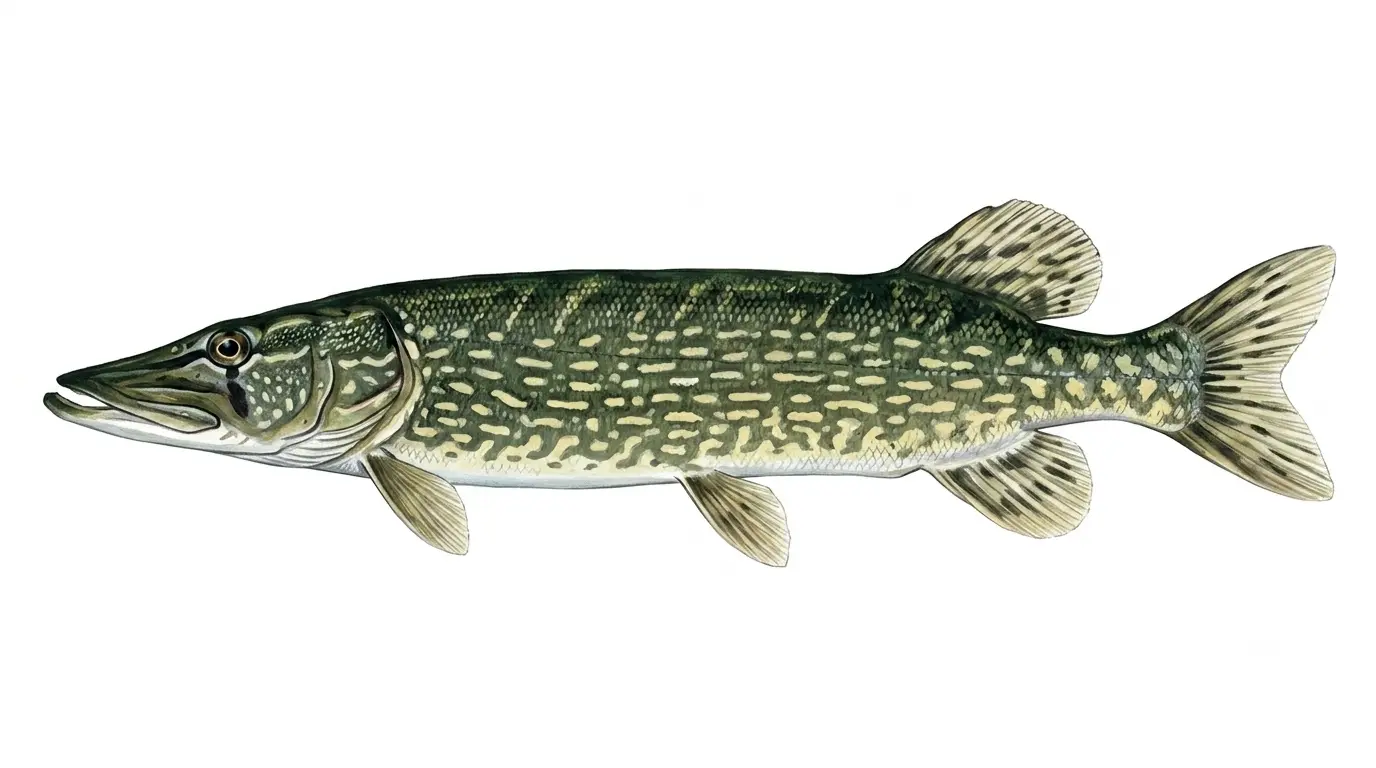
Northern Pike Profile Tips →
Known for aggressive strikes on large spoons, spinnerbaits, and live bait; its sharp teeth call for wire leaders.
Largemouth Bass Profile Tips →
The centerpiece of American bass fishing culture, taken on everything from topwater lures to soft plastics and live bait.
Rig diagrams for stocked lakes →How long after stocking fish start biting →
Recommended Tackle for Philbrick Pond
Field-tested tackle and presentations matched to the species stocked here.
Gary Yamamoto 5-inch Custom Senko Stickbaits
The heavy salt-impregnated plastic produces a unique horizontal shimmy on the fall around weed beds, docks, and submerged timber.
Bobby Garland Baby Shad Crappie Jig & Plastic Kit
Micro-jig heads paired with soft swimbaits mimic tiny baitfish and insects for schooling crappie and bluegill.
Aluminum Fishing Pliers with Braid Cutters
Safely removes hooks, pinches split-shot sinkers, and cleanly snips braided, mono, and fluorocarbon lines.
Plano Waterproof Utility Tackle Box Tray (3600)
Keeps terminal tackle, weights, and spinners dry and corrosion-free with customizable compartments.
As an Amazon Associate, StockedWaters earns from qualifying purchases at no additional cost to you. Recommendations are chosen for hatchery-conditioned fish behavior and ethical rigging. We may receive a referral commission if you buy through these links. Read our editorial policy & standards.
Nearby stocked waters
Other stocked waters near Philbrick Pond, freshest activity first.
Nearby waters by direction
Stocked waters around Philbrick Pond, by compass bearing and straight-line distance (rings every 15 mi).
Far West Pond
18 mi4 species · 6 records
Last stocked October 2020
Philbrick #1
7 mi2 species · 4 records
Last stocked July 2003
Boggs Res. #2
12 mi1 species · 1 records
Last stocked July 1993
Boggs Reservoir
9 mi1 species · 1 records
Last stocked July 1992
Brewster Pond #2
20 mi1 species · 1 records
Last stocked July 1982
Crocker Denzill Reservoir
21 mi1 species · 1 records
Last stocked April 1982
Stocking history
Most recent stockings first. Dates shown at the precision the agency reported.
| Date | Species | Number | Size | Source |
|---|---|---|---|---|
| April 27, 1971 | Northern Pike | 20,000 | 0 | Montana fish & wildlife agency |
| August 29, 1969 | Largemouth Bass | 900 | 1" | Montana fish & wildlife agency |
Frequently asked
When was Philbrick Pond last stocked?
According to Montana fish & wildlife agency, Philbrick Pond was last stocked April 27, 1971 with Northern Pike (20,000 fish).
What fish species are stocked in Philbrick Pond?
Philbrick Pond is stocked with Northern Pike and Largemouth Bass.
How often is Philbrick Pond stocked?
Philbrick Pond is stocked intermittently — 2 recorded stockings between 1969 and 1971.
How many fish have been stocked in Philbrick Pond?
About 20,900 fish have been stocked in Philbrick Pond across 2 recorded events since 1969, per Montana fish & wildlife agency.
What size are the fish stocked in Philbrick Pond?
Fish stocked in Philbrick Pond average about 1.0 inches, based on the sizes the agency reported.
Do you need a fishing license to fish Philbrick Pond?
Yes, all anglers age 16 and older generally need a valid Montana freshwater fishing license. Always review current regulations from Montana fish & wildlife agency for site-specific rules, bag limits, or stamps.
Why do fish stocking dates or plant schedules change for Philbrick Pond?
Stocking schedules published by Montana fish & wildlife agency are planned targets, not exact guarantees. Plants are frequently delayed or rescheduled due to elevated water temperatures (trout experience mortality stress above 68°F), seasonal runoff, severe weather, poor road access, or hatchery trucking logistics.