Haglund Reservoir #2 Fish Stocking
Montana · 1950–1955 on record
According to Montana fish & wildlife agency, Haglund Reservoir #2 was last stocked September 16, 1955 with Largemouth Bass (400 fish). Haglund Reservoir #2 has 3 stocking records on file, spanning 1950–1955, with about 2,950 fish stocked over that period.
Primary stocked species: Largemouth Bass
Haglund Reservoir #2 Stocked Species Breakdown
Relative frequency of species planted in this fishery across verified reports.


Stocked Fish Size & Maturity Scale
Biological size distribution reported by agency hatchery loading records.
By species
Species profiles
Angler's Field Guide
Fishing Tips & Stocking Guide for Haglund Reservoir #2
Practical advice on fish behavior, recommended tackle, and state regulations for anglers fishing in Montana.
Post-Plant Behavior & Timing
Hatchery-raised fish are conditioned to pelleted feed and open raceways. Following a release into Haglund Reservoir #2, they typically congregate in schools near public access points, boat ramps, or inlets for the first 24 to 48 hours while adjusting to natural water conditions.
Since Haglund Reservoir #2 was last stocked September 16, 1955, anglers visiting within 1 to 2 weeks of a reported event generally experience the highest activity before fish disperse into deeper cover.
State Regulations & Licensing
- •Fishing License: A valid Montana freshwater fishing license is required for anglers age 16 and older.Purchase Montana license online →
- •Official Rules & Limits: Bag limits, bait restrictions, and seasonal boundaries are set by Montana fish & wildlife agency.Official Montana regulations guidebook →
- •Ethical Conservation: Use barbless hooks and keep fish submerged in water during unhooking.
Recommended Tackle & Presentations
Techniques tailored to the species stocked in Haglund Reservoir #2:
Bass & Panfish Approach
Target visible structure such as docks, weed lines, and fallen trees. Small 1/32 to 1/16 oz jig heads with soft plastic grubs or live worms under a float work well for crappie and bluegill; soft plastic worms or spinnerbaits work well for bass.
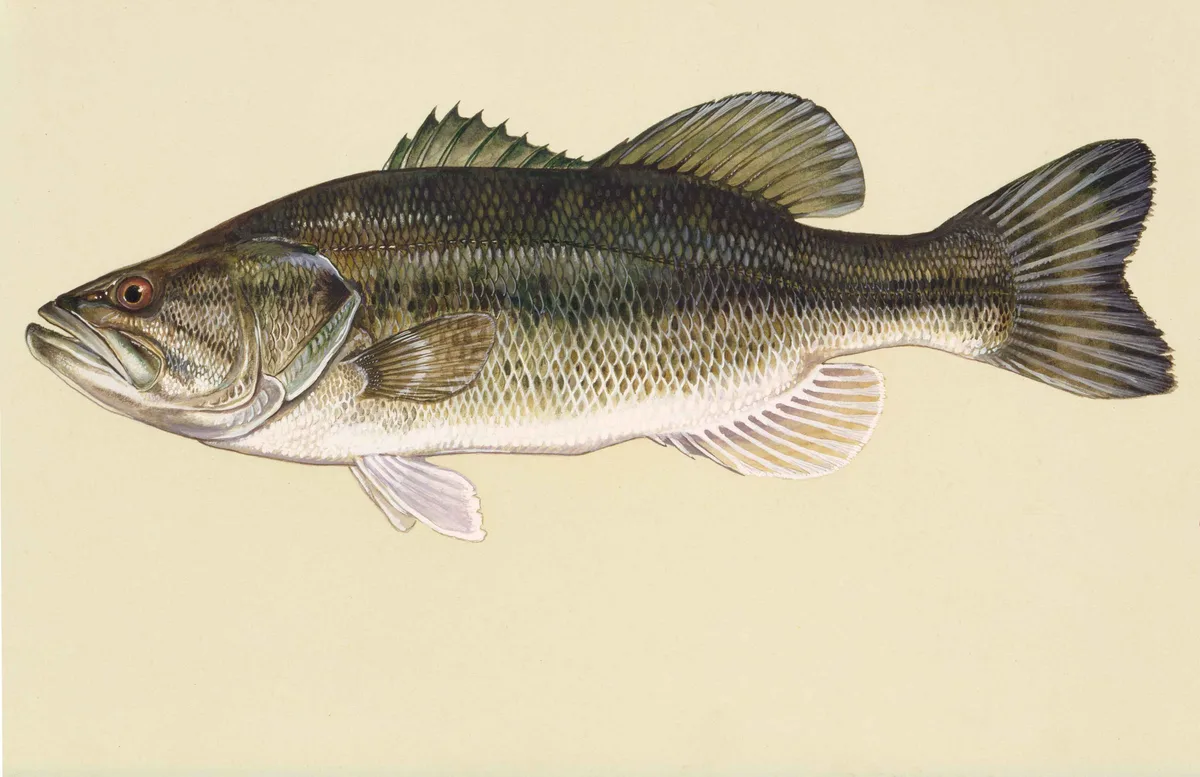
Largemouth Bass Profile Tips →
The centerpiece of American bass fishing culture, taken on everything from topwater lures to soft plastics and live bait.
Bluegill Profile Tips →
A staple of family and youth fishing programs; readily takes worms, small jigs, and flies.
Rig diagrams for stocked lakes →How long after stocking fish start biting →
Recommended Tackle for Haglund Reservoir #2
Field-tested tackle and presentations matched to the species stocked here.
Gary Yamamoto 5-inch Custom Senko Stickbaits
The heavy salt-impregnated plastic produces a unique horizontal shimmy on the fall around weed beds, docks, and submerged timber.
Bobby Garland Baby Shad Crappie Jig & Plastic Kit
Micro-jig heads paired with soft swimbaits mimic tiny baitfish and insects for schooling crappie and bluegill.
Aluminum Fishing Pliers with Braid Cutters
Safely removes hooks, pinches split-shot sinkers, and cleanly snips braided, mono, and fluorocarbon lines.
Plano Waterproof Utility Tackle Box Tray (3600)
Keeps terminal tackle, weights, and spinners dry and corrosion-free with customizable compartments.
As an Amazon Associate, StockedWaters earns from qualifying purchases at no additional cost to you. Recommendations are chosen for hatchery-conditioned fish behavior and ethical rigging. We may receive a referral commission if you buy through these links. Read our editorial policy & standards.
Nearby stocked waters
Other stocked waters near Haglund Reservoir #2, freshest activity first.
Nearby waters by direction
Stocked waters around Haglund Reservoir #2, by compass bearing and straight-line distance (rings every 15 mi).
Heitz Pond
13 mi1 species · 1 records
Last stocked September 2022
Lisk Creek Reservoir
10 mi5 species · 46 records
Last stocked September 2004
Hedstrom Lake
10 mi2 species · 2 records
Last stocked May 1984
Jordan Trout Pond
8 mi1 species · 1 records
Last stocked March 1981
Pawlowski Dam
17 mi4 species · 12 records
Last stocked July 1971
Haglund Reservoir 1
8 mi2 species · 4 records
Last stocked July 1964
Stocking history
Most recent stockings first. Dates shown at the precision the agency reported.
| Date | Species | Number | Size | Source |
|---|---|---|---|---|
| September 16, 1955 | Largemouth Bass | 400 | 4" | Montana fish & wildlife agency |
| September 16, 1955 | Bluegill | 2,400 | 3" | Montana fish & wildlife agency |
| October 31, 1950 | Largemouth Bass | 150 | 4" | Montana fish & wildlife agency |
Frequently asked
When was Haglund Reservoir #2 last stocked?
According to Montana fish & wildlife agency, Haglund Reservoir #2 was last stocked September 16, 1955 with Largemouth Bass (400 fish).
What fish species are stocked in Haglund Reservoir #2?
Haglund Reservoir #2 is stocked with Largemouth Bass and Bluegill.
How often is Haglund Reservoir #2 stocked?
Haglund Reservoir #2 is stocked intermittently — 3 recorded stockings between 1950 and 1955.
How many fish have been stocked in Haglund Reservoir #2?
About 2,950 fish have been stocked in Haglund Reservoir #2 across 3 recorded events since 1950, per Montana fish & wildlife agency.
What size are the fish stocked in Haglund Reservoir #2?
Fish stocked in Haglund Reservoir #2 average about 3.7 inches, based on the sizes the agency reported.
Do you need a fishing license to fish Haglund Reservoir #2?
Yes, all anglers age 16 and older generally need a valid Montana freshwater fishing license. Always review current regulations from Montana fish & wildlife agency for site-specific rules, bag limits, or stamps.
Why do fish stocking dates or plant schedules change for Haglund Reservoir #2?
Stocking schedules published by Montana fish & wildlife agency are planned targets, not exact guarantees. Plants are frequently delayed or rescheduled due to elevated water temperatures (trout experience mortality stress above 68°F), seasonal runoff, severe weather, poor road access, or hatchery trucking logistics.