Winter Trout Stocking in Warm Climates: California's Cool-Weather Fisheries
California fish hatcheries plant rainbow trout into lowland lakes and community ponds only during winter. Here is how these seasonal put-and-take waters operate.
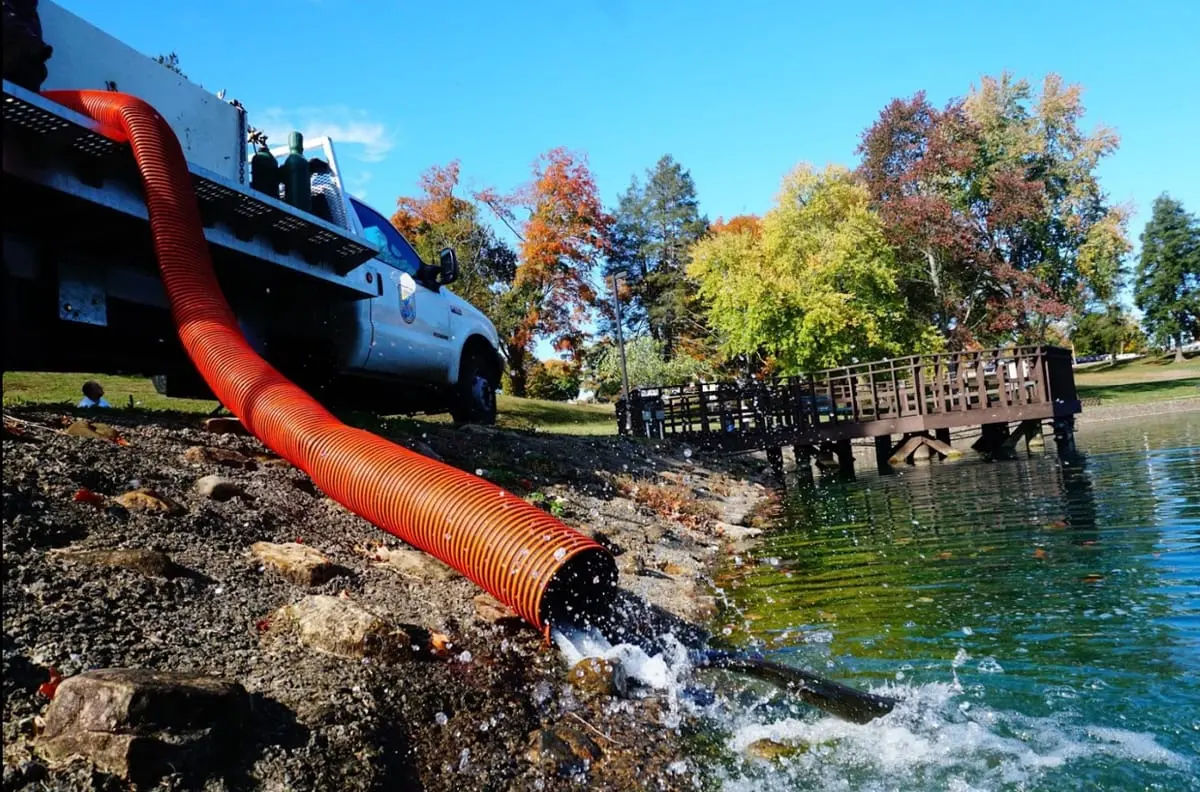
The mechanics of seasonal put-and-take fisheries
In much of the American West, trout fishing is associated with cold mountain streams and deep alpine lakes. In California, millions of people live in warm valleys where natural trout habitat does not exist. The California Department of Fish and Wildlife solves this through an intensive winter urban planting program.
From early November through late March, state hatcheries dispatch refrigerated tanker trucks to municipal parks, county reservoirs, and community ponds. These waters spend the summer housing channel catfish and largemouth bass. Once autumn cold fronts drop water temperatures below 65°F, hatchery trucks deliver catchable rainbow trout every one to two weeks.
Understanding the thermal cutoff: why timing is critical
Rainbow trout thrive in water between 50°F and 64°F. When water temperatures exceed 68°F, dissolved oxygen levels fall and trout experience lethal metabolic stress. Because small urban ponds lack deep, cold springs, they become uninhabitable by mid-spring.
State biologists plan these stockings with the expectation of high angler harvest. Unlike wilderness fingerling plants designed to grow for years, urban winter plants are intended for immediate recreational catch and harvest. Visiting a lake within four to seven days of a plant yields the best success.
Winter tactics for shallow park ponds
Community park ponds present distinct challenges. They are often shallow, averaging four to ten feet in depth, with heavy foot traffic along the shoreline. Trout in these waters cruise in circular schools, shadowing the pond perimeter roughly 15 to 30 feet from the bank.
- Use sliding egg sinker rigs with 1/4-ounce weights and 36-inch leaders to keep bait above bottom detritus.
- Cast near aeration fountains, inlet pipes, and fishing piers where fish congregate for water movement.
- Downsize to 2-pound or 4-pound test lines to avoid spooking pressured fish in clear water.
- Fish small inline spinners with gold blades during sunny winter afternoons.
Finding winter stocking locations across California
CDFW divides the state into six management regions. Anglers in the Central Valley can find regular winter plants around Bakersfield stocked waters, while southern anglers can check lakes near San Diego fishing spots. Check the full California stocked waters directory for complete lake lists and species schedules.
Post-Stocking Fish Dispersal & Feeding Cycles
How newly planted hatchery trout transition from transport shock to structure holdovers over 14 days.
Schooling & Acclimation
Disoriented by transport tanks. Hold in tight schools near boat ramps, stock pipes, and oxygenated inlet seams.
Structure Dispersal
Schools break up into small pods patrolling shoreline weed edges, downed timber, docks, and 6–15 ft depth contours.
Wild Feeding Habits
Surviving fish become wary of bank anglers and bright daylight. Migrate to deep thermoclines, submerged river channels, and spring holes.
Trout Thermal Activity & Survival Gauge
Recommended Tackle & Angler Gear
Field-tested tackle, baits, and essentials matched to the species and waters featured in this guide.
Berkley PowerBait Floating Trout Dough
Hatchery-raised trout are conditioned to pelleted scents; scented dough floated 12–18 inches off bottom consistently triggers strikes.
Panther Martin Classic Teardrop Inline Spinner
The heavy convex blade spins instantly upon retrieval, sending vibration through the water that triggers aggressive reaction bites along drop-offs.
Sliding Sinker & Treble Hook Rigging Kit
Sliding egg sinkers allow cautious trout to run with bait without feeling line drag, while size 14–16 treble hooks keep dough bait securely pinned.
As an Amazon Associate, StockedWaters earns from qualifying purchases at no additional cost to you. Recommendations are chosen for hatchery-conditioned fish behavior and ethical rigging. We may receive a referral commission if you buy through these links. Read our editorial policy & standards.
Frequently asked
Why does California only stock trout in urban lakes during winter?
Lowland lakes and park ponds in Central and Southern California reach surface temperatures above 80°F in summer, which is lethal for trout. Between November and March, water cools below 62°F, creating a viable seasonal window for rainbow trout plants.
What happens to stocked trout in warm lakes when spring arrives?
These fisheries are managed on a put-and-take basis. The goal is for anglers to harvest the fish before water temperatures exceed 70°F in May. Trout that are not caught during winter succumb to thermal stress as dissolved oxygen levels drop.
What baits work best in California winter urban trout ponds?
Floating synthetic dough baits in rainbow or garlic formulas, nightcrawler pieces tipped on size 12 hooks, and small 1/16-ounce spoons like Kastmasters produce reliable catches. Using a 3-foot fluorocarbon leader keeps bait hovering off the bottom weed layer.
Do you need a special stamp to fish winter stocked trout in California?
Anglers 16 and older need a standard California sport fishing license. Urban community ponds generally do not require a separate trout stamp, but anglers must abide by the five-trout daily bag limit unless local city rules specify otherwise.