Teaching Kids to Fish at Stocked Ponds: Gear Selection and Rigging
Stocked ponds provide consistent action for young anglers. Learn how to choose spin-cast gear, tie single-hook rigs, and keep trips fun and safe.
Setting realistic expectations for early trips
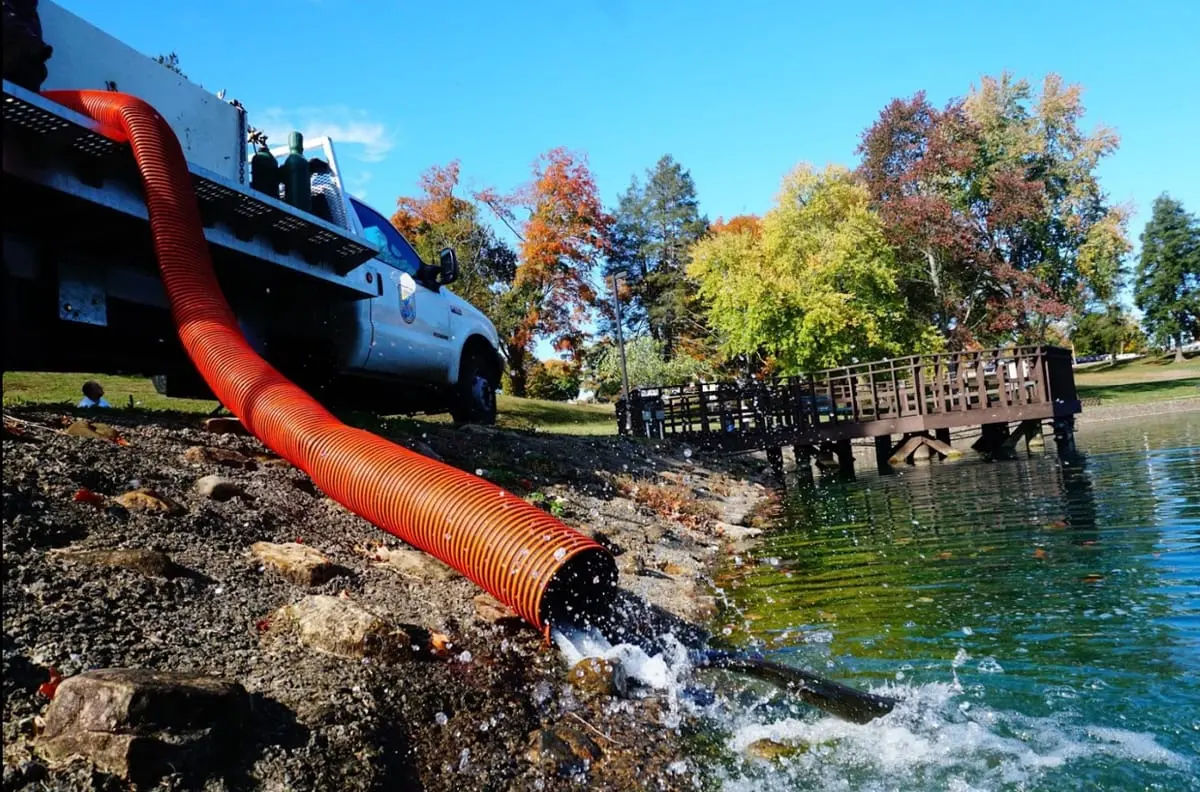
Introducing a child to fishing is about building confidence and comfort near the water. Small community ponds stocked with rainbow trout and bluegill offer the ideal setting. Paved perimeters, restroom access, and shallow shorelines remove common backcountry obstacles.
For practical family trip logistics, consult our guide to family fishing at stocked waters, which covers packing checklists and bank etiquette.
Tackle selection: why push-button reels matter
Handing a six-year-old an open-face spinning reel or a baitcaster usually leads to loose line loops, snarls, and frustration. A closed-face spin-cast reel keeps the line contained within a protective plastic housing.
- Rod length: Choose a 4-foot-6-inch to 5-foot rod with medium-light action. Shorter rods match a child's arm span and reduce tips dipping into shoreline dirt.
- Monofilament line: 6-pound monofilament provides enough stretch to absorb sudden jerks while handling bank abrasion.
- Push-button thumb release: Teaches the hand-eye coordination of holding the button down, sweeping the rod back, and releasing forward toward a target.
The visual advantage of bobbers
Bottom fishing with stationary dough bait can produce limits, but it requires patience and subtle line watching. For young anglers, a bobber floating on the water provides immediate visual excitement.
Rig a small, pencil-style or round clip-on bobber two feet above a single size 8 barbless hook. Attach a single small split shot six inches above the hook. Bait with a small pinch of garden worm, a live mealworm, or a colorful dough pellet. When the bobber bobs and dips beneath the surface, children recognize the bite instantly.
Safety: barbless hooks and sun protection
Before tying on any hook, use pliers to mash the barb flat against the shank. Accidents happen during awkward casts. A barbless hook slides out of a sleeve or skin without tearing tissue. Add polarized sunglasses and a brimmed hat to protect eyes from erratic swinging hooks.
To find accessible family ponds in your area, explore our directory of urban trout stocking community ponds, which lists kid-friendly waters across multiple states.
Post-Stocking Fish Dispersal & Feeding Cycles
How newly planted hatchery trout transition from transport shock to structure holdovers over 14 days.
Schooling & Acclimation
Disoriented by transport tanks. Hold in tight schools near boat ramps, stock pipes, and oxygenated inlet seams.
Structure Dispersal
Schools break up into small pods patrolling shoreline weed edges, downed timber, docks, and 6–15 ft depth contours.
Wild Feeding Habits
Surviving fish become wary of bank anglers and bright daylight. Migrate to deep thermoclines, submerged river channels, and spring holes.
Trout Thermal Activity & Survival Gauge
Recommended Tackle & Angler Gear
Field-tested tackle, baits, and essentials matched to the species and waters featured in this guide.
Aluminum Fishing Pliers with Braid Cutters
Safely removes hooks, pinches split-shot sinkers, and cleanly snips braided, mono, and fluorocarbon lines.
Plano Waterproof Utility Tackle Box Tray (3600)
Keeps terminal tackle, weights, and spinners dry and corrosion-free with customizable compartments.
As an Amazon Associate, StockedWaters earns from qualifying purchases at no additional cost to you. Recommendations are chosen for hatchery-conditioned fish behavior and ethical rigging. We may receive a referral commission if you buy through these links. Read our editorial policy & standards.
Frequently asked
What is the best fishing rod for a young beginner?
A 4-foot-6-inch or 5-foot closed-face spin-cast combo (push-button reel) spooled with 6-pound monofilament is ideal for children ages 4 to 8. The enclosed spool prevents line tangles and bird nests, allowing kids to practice casting independently.
Why are stocked community ponds ideal for children?
Stocked ponds have calm shorelines, clear footpaths, and high fish densities. Species like rainbow trout and bluegill bite steadily, keeping young children engaged without requiring long boat rides or difficult casting.
What is the safest hook setup for kids?
Use a single size 8 or 10 hook with the barb pinched flat, rather than treble hooks. Single barbless hooks are easier to remove from snagged clothing or small fingers, and they make unhooking small fish quick and painless.
How long should a fishing trip with young kids last?
Keep initial trips between 60 and 90 minutes. Short, positive outings with plenty of snacks and visual bite indicators prevent boredom and build enthusiasm for future trips.