Tailwater Trout Stocking: How Coldwater Dam Releases Support Fisheries
Bottom-release dams produce cold, temperature-stable rivers that shield trout from summer heat. Learn how agencies manage these year-round fisheries.
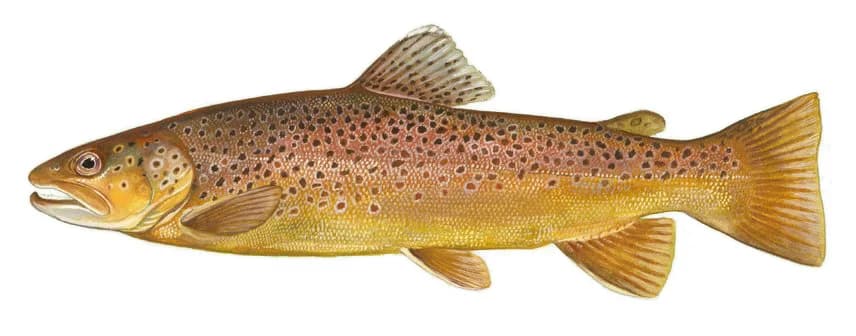
The thermal stability of hypolimnetic dam releases
Most natural rivers in the American West warm significantly during midsummer heatwaves, stressing coldwater fish. Tailwaters are different. When a large reservoir builds behind a deep dam, thermal stratification creates a bottom layer of dense, cold water known as the hypolimnion.
Hydroelectric dams with low-level intake gates release this hypolimnetic water into the river below. While the reservoir surface may bake at 78°F in August, the tailwater below the dam stays between 44°F and 52°F. State agencies like the Utah Division of Wildlife Resources take advantage of this cold outflow to establish year-round fisheries for brown trout and rainbow trout.
The food factory: continuous insect hatches
Because tailwaters rarely freeze in winter and never overheat in summer, aquatic biomass flourishes. Submerged moss and weed beds house millions of scuds (freshwater shrimp), sowbugs, and midges. Unlike freestone mountain streams where hatches depend on seasonal snowmelt, tailwaters feature daily hatches year-round.
- Midges (Chironomids): Hatch every month of the year, providing a staple diet in sizes 18 through 24.
- Scuds and sowbugs: Cling to aquatic moss and drift during high-flow water releases.
- Blue-winged olive mayflies (Baetis): Produce heavy afternoon hatches on cloudy days in spring and autumn.
- Small sculpins and minnows: Provide high-protein forage for larger holdover trout.
Tailwater angling tactics: fine tippets and micro-patterns
Catching stocked trout in a tailwater requires a different approach than lake fishing. Tailwater water clarity is often gin-clear, and the trout inspect every drifting object closely. Heavy monofilament and oversized hooks trigger immediate rejections.
Rig with 5X or 6X fluorocarbon tippet and small strike indicators. Two-fly nymph rigs with a weighted scud pattern followed by an unweighted midge pupa mimic the natural drift. If spin-fishing, use 1/32-ounce marabou jigs on 4-pound line worked along the edges of the main flow.
Notable Utah tailwaters
Utah features several famous tailwater fisheries, including the Provo River below Jordanelle and Deer Creek reservoirs, accessible from Provo fishing waters and Salt Lake City stocked areas. Check the full Utah stocked waters directory for seasonal release reports.
Proven Rigs for Stocked Waters
Tactical terminal rigs calibrated for recently stocked gamefish behavior and feeding habits.
12–18 inches off bottom substrate
14–20" of 3–4 lb test fluorocarbon
1/4–1/2 oz sliding egg sinker, 6mm bead, size 10 barrel swivel, size 16 treble or size 10 salmon egg hook
Recommended Tackle & Angler Gear
Field-tested tackle, baits, and essentials matched to the species and waters featured in this guide.
Berkley PowerBait Floating Trout Dough
Hatchery-raised trout are conditioned to pelleted scents; scented dough floated 12–18 inches off bottom consistently triggers strikes.
Panther Martin Classic Teardrop Inline Spinner
The heavy convex blade spins instantly upon retrieval, sending vibration through the water that triggers aggressive reaction bites along drop-offs.
Sliding Sinker & Treble Hook Rigging Kit
Sliding egg sinkers allow cautious trout to run with bait without feeling line drag, while size 14–16 treble hooks keep dough bait securely pinned.
As an Amazon Associate, StockedWaters earns from qualifying purchases at no additional cost to you. Recommendations are chosen for hatchery-conditioned fish behavior and ethical rigging. We may receive a referral commission if you buy through these links. Read our editorial policy & standards.
Frequently asked
What is a tailwater fishery, and why is it unique?
A tailwater is the section of a river directly below a large dam. When the dam draws water from the bottom of the reservoir (a hypolimnetic release), the outflow remains cold (between 42°F and 54°F) year-round, creating an insulated habitat for coldwater trout.
Why do stocked trout grow quickly in tailwaters?
Tailwaters lack severe seasonal temperature swings. Because water remains in the ideal 48°F to 54°F feeding range through both summer heat and winter freezes, trout feed actively 365 days a year on constant hatches of midges, scuds, and aquatic worms.
What is the main challenge of fishing a stocked tailwater?
Tailwater fish face consistent fishing pressure and feed on tiny food items (sizes 18 to 24). Anglers must use light fluorocarbon tippet (5X or 6X) and match micro-invertebrate hatches rather than throwing large hardware.
How do dam flow fluctuations affect fish behavior?
Sudden flow increases wash shoreline invertebrates into the drift, creating a temporary feeding spree. If flows drop rapidly, trout retreat to mid-channel pools and become cautious until water levels stabilize.