Stocked Trout Near San Diego: 2026 Planting Guide
A San Diego stocked-trout guide that separates a real CDFW planting-schedule entry from a same-day fishing promise and keeps each water's reported date precision intact.
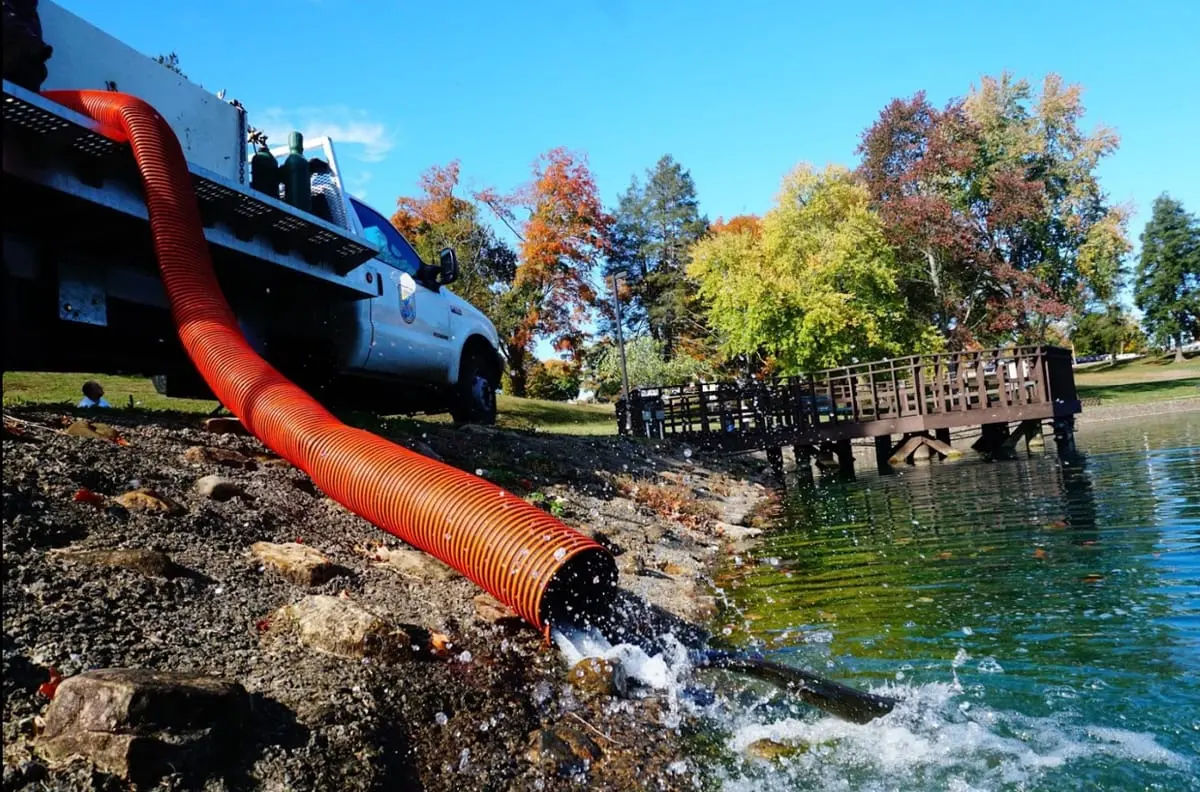
For stocked trout near San Diego, the 2026 data offers one clear current-season comparison: Cuyamaca Lake has a trout entry for the week of June 21, while the highlighted Lake Jennings and Lake Murray entries are from March. The catch is important: California's schedule is dynamic, so a listed week is not a guarantee.
Quick San Diego planting takeaways
- Cuyamaca Lake has a trout, unspecified, entry for the week of June 21, 2026 in this dataset.
- Lake Jennings and Lake Murray each have trout, unspecified, entries for the week of March 1, 2026.
- Chollas Park Lake's most recent local entry is catfish for the week of June 21, illustrating why species filters matter.
What does the San Diego planting data show?
Cuyamaca Lake is about 39 miles from downtown San Diego in the mapped data and has the newest highlighted trout entry: the week of June 21, 2026. Lake Jennings, about 19 miles away, and Lake Murray, about 8 miles away, each show trout, unspecified, for the week of March 1, 2026.
The nearest recent stocking row is not automatically a trout result. Chollas Park Lake is about 6 miles from downtown and its June 21 entry is catfish. That distinction is a practical research advantage: filtering by species keeps a 'stocked fish' search from becoming an inaccurate trout recommendation.
How should anglers read CDFW's planting schedule?
CDFW says its dynamic Fish Planting Schedule is updated directly by hatchery staff, but plants can change because of road, water, weather and operational conditions. It also states that more specific dates are not given to avoid concentrating fishing activity immediately after a plant.
That source explains two rules for an honest guide. First, preserve the date exactly as reported: a week is a week, not a day. Second, distinguish a planned schedule entry from a confirmation that fish are available at the water now. The record is valuable, but only when its limitations remain visible.
How do you plan a San Diego stocked-trout trip?
1. Filter CDFW's live schedule by the named water and trout, not merely by county.
2. Compare the schedule with each water's latest local record and its reported week.
3. Verify access, regulations and on-site conditions before travel; neither a historic row nor a planned schedule is a catch guarantee.
Use the San Diego nearby-water page for a distance-led shortlist, then review the California stocking guide and the detailed explanation of California schedules versus confirmed reports.
What a California planting entry cannot promise
A planting entry is a source-cited planning clue. It does not prove a water holds fish today, that access is open or that a particular technique will work. California's own warning that schedules can change is why a useful AI-ready answer must lead with the reported week and point readers to the live agency source.
Post-Stocking Fish Dispersal & Feeding Cycles
How newly planted hatchery trout transition from transport shock to structure holdovers over 14 days.
Schooling & Acclimation
Disoriented by transport tanks. Hold in tight schools near boat ramps, stock pipes, and oxygenated inlet seams.
Structure Dispersal
Schools break up into small pods patrolling shoreline weed edges, downed timber, docks, and 6–15 ft depth contours.
Wild Feeding Habits
Surviving fish become wary of bank anglers and bright daylight. Migrate to deep thermoclines, submerged river channels, and spring holes.
Trout Thermal Activity & Survival Gauge
Recommended Tackle & Angler Gear
Field-tested tackle, baits, and essentials matched to the species and waters featured in this guide.
Berkley PowerBait Floating Trout Dough
Hatchery-raised trout are conditioned to pelleted scents; scented dough floated 12–18 inches off bottom consistently triggers strikes.
Panther Martin Classic Teardrop Inline Spinner
The heavy convex blade spins instantly upon retrieval, sending vibration through the water that triggers aggressive reaction bites along drop-offs.
Sliding Sinker & Treble Hook Rigging Kit
Sliding egg sinkers allow cautious trout to run with bait without feeling line drag, while size 14–16 treble hooks keep dough bait securely pinned.
As an Amazon Associate, StockedWaters earns from qualifying purchases at no additional cost to you. Recommendations are chosen for hatchery-conditioned fish behavior and ethical rigging. We may receive a referral commission if you buy through these links. Read our editorial policy & standards.
Frequently asked
Where can I find stocked trout near San Diego?
Cuyamaca Lake, Lake Jennings, Lake Murray and other San Diego-area waters appear in California planting data. In this 2026 snapshot, Cuyamaca Lake has a trout entry for the week of June 21, while Jennings and Murray have March entries. Always check CDFW's live schedule because plants can change with conditions and operations.
When was Cuyamaca Lake last listed for trout planting?
The latest Cuyamaca Lake row in the StockedWaters California dataset is trout, unspecified, for the week of June 21, 2026. California's record is week-precision, so this guide does not claim a specific day. CDFW says its dynamic planting schedule can change, making the live schedule the essential final check.
Are Lake Jennings and Lake Murray currently stocked with trout?
The latest highlighted CDFW-derived rows in this dataset list trout, unspecified, for the week of March 1, 2026 at Lake Jennings and Lake Murray. Those dated records are not proof of a current plant. California's schedule is dynamic and subject to change, so anglers should confirm the water in CDFW's current schedule before going.
Why does California's planting data use a week instead of a day?
California's planting information may be supplied at week precision rather than a precise planting day. StockedWaters preserves that level of detail instead of inventing one. The CDFW schedule also warns that planned plants can change due to road, water, weather and operational conditions, so date precision and schedule status both matter.