Montana Fish Stocking: What FWP Plants, Where, and When
Montana FWP stocks fish in select waters across the state — not the famous wild trout rivers, but hundreds of lakes and ponds where hatchery fish improve access. Here's how the program works.
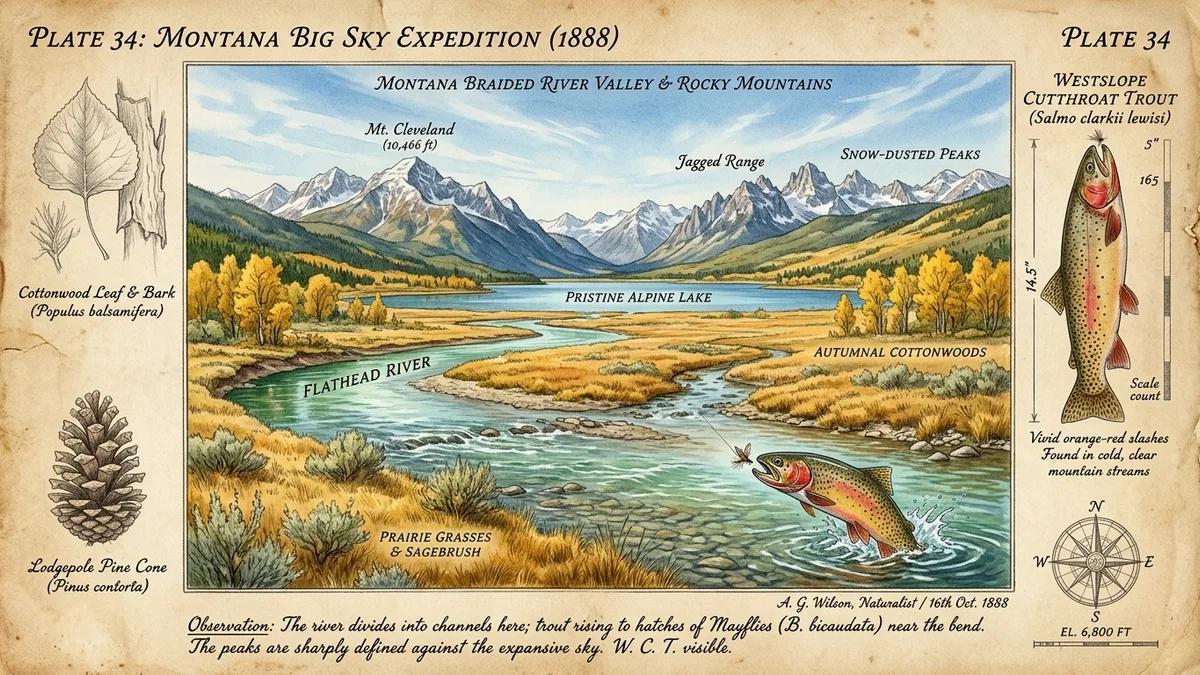
Montana is famous for wild trout — the Yellowstone, the Madison, the Missouri. But Montana Fish, Wildlife and Parks (FWP) also operates a substantial fish stocking program in waters that wouldn't otherwise support quality fishing. Understanding what gets stocked — and where — helps you plan trips to some of Montana's lesser-known but highly productive fisheries.
How Montana's Stocking Program Works
Montana FWP operates hatcheries at Fort Peck, Miles City, Lewistown, Washoe, Anaconda, and several other locations. These facilities produce rainbow trout, brown trout, rainbow-cutthroat hybrids (cutbows), and other species for distribution across the state.
Montana's stocking philosophy differs from states like California or Washington. FWP does not stock the world-class wild trout rivers — the Madison, Gallatin, Big Hole, Bitterroot, and others sustain themselves through natural reproduction. Stocking targets lakes, ponds, reservoirs, and smaller streams that lack self-sustaining wild populations.
Species Stocked in Montana
Rainbow trout are the primary stocked species statewide. FWP also plants brown trout in reservoirs and some larger lakes where they can grow to trophy sizes. Brook trout go into high-mountain lakes in the Rockies, Cabinet, and Beartooth ranges. Westslope cutthroat and Yellowstone cutthroat are planted in some lakes to restore native species presence.
Montana also stocks kokanee salmon in several large reservoirs, including Noxon, Lake Koocanusa, and Swan Lake. These landlocked sockeye are a popular target and can provide fast action when located. Some eastern Montana reservoirs receive walleye and northern pike stocking as well.
Which Waters Get Stocked in Montana
FWP prioritizes public access waters that provide fishing opportunities to local communities and visitors who can't access the famous private-access rivers. Community ponds in smaller towns receive regular rainbow plantings. Reservoirs near population centers — like Hauser Lake, Canyon Ferry, and Noxon Rapids — receive larger-scale stocking programs.
Remote mountain lakes are stocked by air — FWP coordinates aerial fish drops into lakes inaccessible by road. These backcountry lakes offer solitude and fishing for brook trout and cutthroat in some of the most spectacular country in the lower 48. Stocking schedules for these lakes are published in FWP's annual stocking report.
Montana Stocking Season
Montana's stocking season runs primarily from late April through June as lowland waters warm up enough for comfortable transport, and again in September and October for fall plantings. High-elevation lakes get their fish in July and August after ice-out. Winter stocking is limited to a few year-round fisheries.
Finding Montana Stocking Reports
Montana FWP publishes stocking records through their online portal, updated periodically throughout the year. StockedWaters aggregates Montana stocking data so you can browse by region — see Montana stocked waters for a searchable view of recent plants.
Frequently Asked Questions
Does Montana stock the Madison or Yellowstone Rivers?
No. FWP does not stock fish in the premier wild trout rivers. Waters like the Madison, Gallatin, Bitterroot, and upper Yellowstone sustain wild populations through natural spawning. Stocking them would compete with and potentially harm native and wild fish.
When is the best time to fish stocked waters in Montana?
May and June are peak times for lowland stocked lakes after spring planting. Fall plantings in September and October offer another window before ice-up. High-elevation lakes are best July through September after ice-out and before early fall freezes.
Are there trophy trout stocked in Montana?
FWP stocks larger trout in some designated waters, particularly certain reservoirs that are managed for trophy rainbow or brown trout. Check the FWP stocking report for size data — waters receiving 2 lb and larger fish are noted separately from standard catchable plantings.
Can I catch kokanee in Montana lakes?
Yes. Several large western Montana reservoirs have productive kokanee populations established from stocking programs. Lake Koocanusa, Noxon Rapids, and Swan Lake are among the most consistent producers. Kokanee fishing peaks in summer when the fish school near the thermocline, typically 30 to 60 feet deep.
Beyond trout, Montana's records also cover the widest bass program of any state tracked here and the state's only recorded northern pike stocking — see our guides to bass stocking explained and muskellunge and northern pike stocking.
Montana's upper Big Hole River also holds the last native Arctic grayling population in the Lower 48 — see our grayling stocking guide for how that compares to FWP's broader lake-stocking program.
For a close-up look at what's actually stocked near one Montana city right now, see stocked waters near Missoula — and for how Montana's cutthroat trout program compares to Utah's and Washington's, see our cutthroat trout stocking guide.
For a close-to-town shortlist, see the source-led guide to stocked ponds near Bozeman.
Post-Stocking Fish Dispersal & Feeding Cycles
How newly planted hatchery trout transition from transport shock to structure holdovers over 14 days.
Schooling & Acclimation
Disoriented by transport tanks. Hold in tight schools near boat ramps, stock pipes, and oxygenated inlet seams.
Structure Dispersal
Schools break up into small pods patrolling shoreline weed edges, downed timber, docks, and 6–15 ft depth contours.
Wild Feeding Habits
Surviving fish become wary of bank anglers and bright daylight. Migrate to deep thermoclines, submerged river channels, and spring holes.
Trout Thermal Activity & Survival Gauge
Recommended Tackle & Angler Gear
Field-tested tackle, baits, and essentials matched to the species and waters featured in this guide.
Berkley PowerBait Floating Trout Dough
Hatchery-raised trout are conditioned to pelleted scents; scented dough floated 12–18 inches off bottom consistently triggers strikes.
Panther Martin Classic Teardrop Inline Spinner
The heavy convex blade spins instantly upon retrieval, sending vibration through the water that triggers aggressive reaction bites along drop-offs.
Sliding Sinker & Treble Hook Rigging Kit
Sliding egg sinkers allow cautious trout to run with bait without feeling line drag, while size 14–16 treble hooks keep dough bait securely pinned.
As an Amazon Associate, StockedWaters earns from qualifying purchases at no additional cost to you. Recommendations are chosen for hatchery-conditioned fish behavior and ethical rigging. We may receive a referral commission if you buy through these links. Read our editorial policy & standards.
Frequently asked
How often does MT FWP publish updated fish stocking reports?
MT FWP updates stocking schedules and reports weekly during peak spring and autumn stocking periods, and bi-weekly or monthly in winter and mid-summer.
Why do fish stocking dates get delayed or rescheduled in Montana?
Published fish plant dates are planned target windows rather than guaranteed arrivals. MT FWP delays plants due to water temperatures exceeding safe levels (especially above 68°F for trout), seasonal runoff, adverse road conditions, or delivery truck maintenance.
What are triploid trout, and why are they stocked in Montana?
Triploid trout are sterile hatchery-raised fish produced with three sets of chromosomes. Because they do not develop reproductive organs, they channel their energy into rapid growth, fight exceptionally well, and can be planted without risk of cross-breeding with wild, native trout populations.
Do you need a fishing license to catch stocked trout in Montana?
Yes, all anglers age 16 and older generally need a valid Montana freshwater fishing license. Always review current regulations from MT FWP for site-specific bag limits and gear rules before fishing.