Fish Hatchery Biosecurity: Preventing Disease in Stocked Waters
Hatcheries must keep millions of fish healthy in tight quarters. Learn how state agencies use UV filtration and disinfection to prevent disease spread.
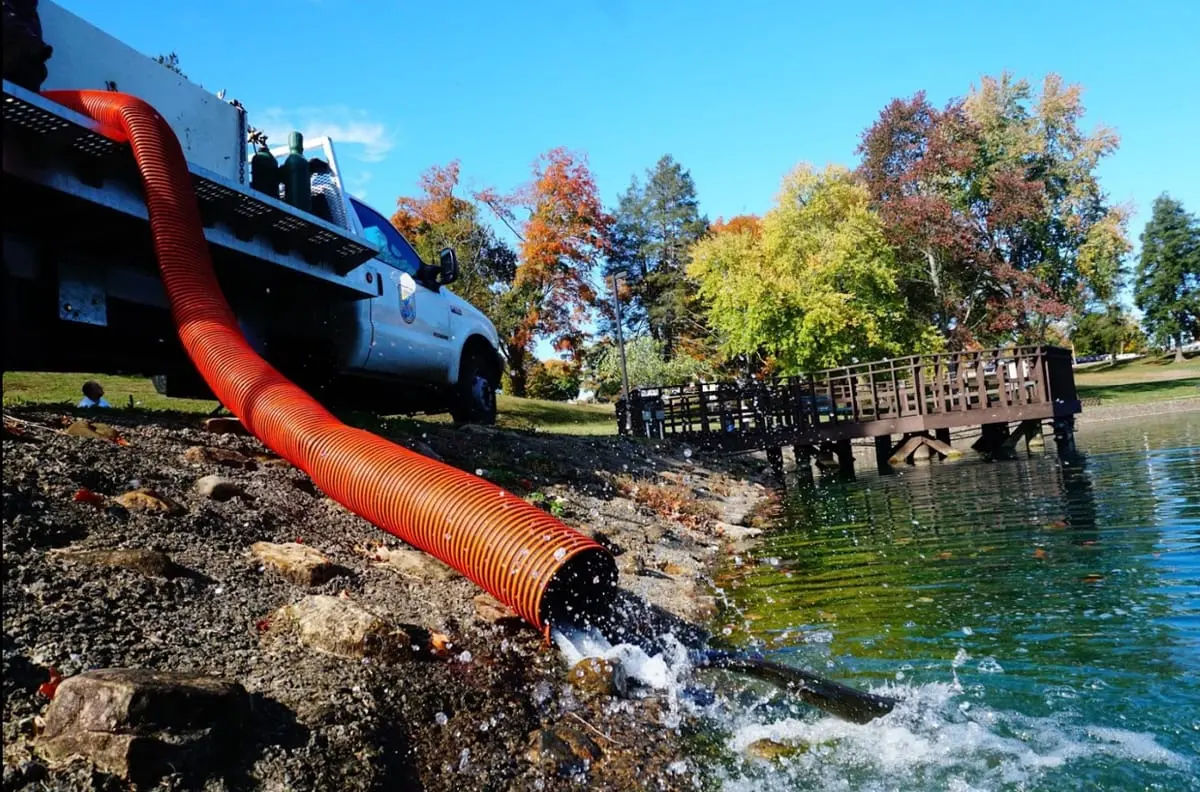
The challenge of high-density fish culture
In modern state hatcheries operated by the Utah Division of Wildlife Resources and federal partners in the USFWS National Fish Hatchery System, hundreds of thousands of juvenile fish live in close proximity within concrete raceways. Under these conditions, an introduced pathogen can spread rapidly.
To protect both hatchery investments and downstream wild ecosystems, state wildlife agencies maintain strict biosecurity protocols. Learn more about hatchery infrastructure in our guide to how state fish hatcheries operate.
Common pathogens: whirling disease, IHN, and coldwater bacteria
Hatchery managers actively monitor for several microscopic organisms that threaten salmonid health:
- Whirling disease (Myxobolus cerebralis): A protozoan parasite that damages the spine and skull of juvenile rainbow and cutthroat trout.
- Infectious Hematopoietic Necrosis (IHN): A rhabdovirus affecting kidney function and blood formation in young salmon and trout.
- Bacterial Coldwater Disease (Flavobacterium psychrophilum): A pathogen that produces skin ulcers and fin erosion in cold rearing water below 50°F.
- Aquatic invasive species: New Zealand mudsnails and zebra mussel veligers that can hitchhike in transport equipment.
Biosecurity protocols: filtration, quarantine, and sanitation
Hatcheries implement multi-layered defenses. Facility staff step through footbaths filled with disinfectant before entering rearing sheds. Dedicated nets and feeding tools remain assigned to individual raceways to prevent cross-contamination.
Water supplies receive special attention. Spring sources are enclosed in concrete spring boxes to exclude surface runoff. Rearing facilities using surface water pass flows through ultraviolet sterilization arrays that damage microbial DNA, neutralizing viral and parasitic threats before water touches the fish.
Truck sanitation between river drainages
Fish transport vehicles pose a unique risk because a single truck can deliver fish to three distinct watersheds in a week. To eliminate cross-basin transfer, tanker trucks undergo hot-water pressure washing and chemical sanitization after every delivery run. See our detailed look at how fish stocking trucks deliver trout to understand aeration and tank maintenance.
Explore healthy stocked fisheries across the state by visiting our Utah stocked waters directory, featuring verified stocking reports for cutthroat trout and rainbow trout.
The StockedWaters Verification Pipeline
How state wildlife department stocking records are gathered, verified, geocoded, and published.
Agency Data Ingestion
CDFW · WDFW · FWP · DWR · DEC
Each data release pulls stocking records from official state wildlife agency open-data portals and published reports.
Taxonomy & Alias Resolution
Standardized Biological Profiles
Resolves conflicting agency abbreviations (e.g., 'RT', 'CATCHABLE RB', 'RAINBOW TROUT') into canonical species profiles with size parsing.
GNIS Spatial Geocoding
USGS GNIS Name Matching
Waterbodies are matched to USGS Geographic Names Information System names and coordinates where a confident match exists. Unmatched waters stay off maps and near-me lists rather than being guessed.
Date-Precision Guard
Zero-Fabrication Data Standard
We preserve the agency's reporting precision: day, week, month, or year. Dates are never invented or made more precise than the source.
Recommended Tackle & Angler Gear
Field-tested tackle, baits, and essentials matched to the species and waters featured in this guide.
Aluminum Fishing Pliers with Braid Cutters
Safely removes hooks, pinches split-shot sinkers, and cleanly snips braided, mono, and fluorocarbon lines.
Plano Waterproof Utility Tackle Box Tray (3600)
Keeps terminal tackle, weights, and spinners dry and corrosion-free with customizable compartments.
As an Amazon Associate, StockedWaters earns from qualifying purchases at no additional cost to you. Recommendations are chosen for hatchery-conditioned fish behavior and ethical rigging. We may receive a referral commission if you buy through these links. Read our editorial policy & standards.
Frequently asked
What is whirling disease, and how does it spread?
Whirling disease is caused by the microscopic parasite Myxobolus cerebralis. It attacks the cartilage and nervous systems of young trout, causing skeletal deformities and erratic swimming. It spreads through infected water and aquatic tubifex worms.
How do state fish hatcheries sterilize incoming water?
Modern hatcheries utilize deep enclosed groundwater wells or run river water through mechanical drum filters followed by high-intensity ultraviolet (UV) irradiation systems that neutralize fungal spores, bacteria, and viral particles before reaching raceways.
Why are stocking trucks disinfected between deliveries?
Stocking trucks travel between separate river drainages. Hatcheries disinfect tanker holding tanks, hoses, and release chutes with certified iodophor or quaternary ammonium solutions to prevent transferring invasive organisms or parasites between watersheds.
Do state agencies test hatchery trout before releasing them?
Yes. State fish health pathologists inspect each hatchery lot several times a year. Fish are certified pathogen-free through laboratory assays before any stocking permit is issued, ensuring wild fish populations are protected.