Backcountry Alpine Lake Fishing: Planning Trips for High-Elevation Trout
High-elevation alpine lakes offer short, intense open-water fishing seasons. Here is how to plan backcountry hikes and target aerial-planted trout.
The alpine environment: short seasons and lean ecosystems
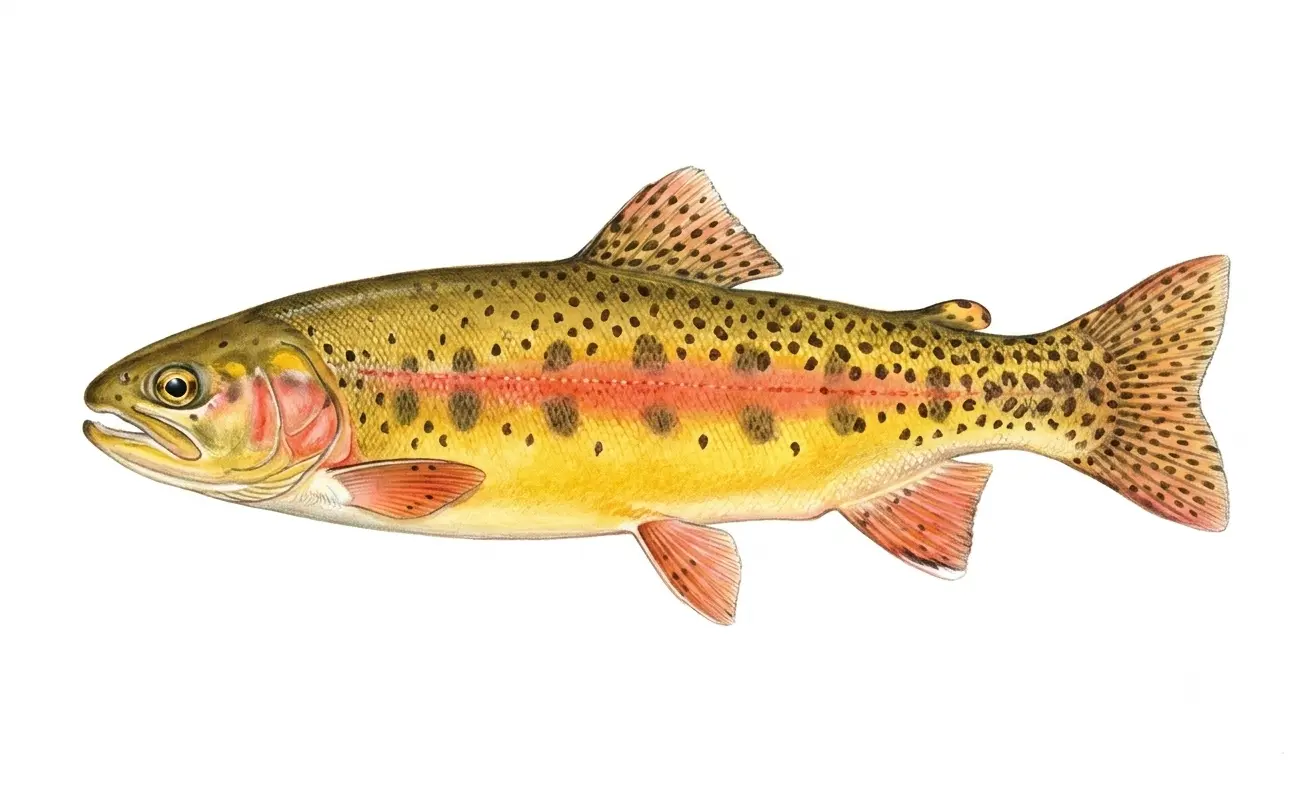
Backcountry lakes cradled in granite basins above 7,000 feet represent some of the most scenic fisheries in North America. These lakes are managed through aerial planting programs by agencies like Montana Fish, Wildlife & Parks, which drop fingerling cutthroat trout, golden trout, and arctic grayling directly from airplanes.
To understand how these air drops succeed, read our detailed report on how aerial fish stocking works. For the backcountry angler, hiking into these waters requires specific timing and lightweight tackle.
Timing the ice-out window
High mountain lakes remain frozen under snowpack for up to nine months each year. Attempting to hike into an alpine basin in May often results in post-holing through snowdrifts to find a sheet of blue ice.
The sweet spot for high-elevation fishing is July through early September. Right after the ice melts, surface water warms into the mid-50s, triggering intense feeding activity. Trout that have endured months under ice cruise the shallow littoral shelf to feed on emerging insects.
Backpack tackle: pack rods and casting bubble setups
When backpacking five to ten miles into a wilderness area, pack weight matters. Modern 4-piece pack rods break down into compact 20-inch tubes that strap to the side of a pack.
- Spinning tackle: A 6-foot, 4-piece light action rod paired with a 1000-size reel spooled with 4-pound monofilament.
- The casting bubble rig: Slide an oval plastic bubble onto your mainline, add a rubber stopper, tie on a small barrel swivel, and attach a 5-foot fluorocarbon leader.
- Fly selection: Pack elk hair caddis, black ant imitations, Griffith's gnats, and bead-head pheasant tail nymphs in sizes 14 to 18.
- Micro spoons: 1/16-ounce gold and copper spoons provide casting distance when afternoon mountain breezes kick up.
Alpine conservation ethics
High-altitude ecosystems are fragile. Cold water decomposes waste slowly, and alpine soils erode quickly along shorelines. Stick to durable rock surfaces when casting and practice clean catch-and-release. If you plan a trip to Montana mountain waters, explore our Bozeman stocked waters guide or check the complete Montana stocking list for trailheads and lake coordinates.
Post-Stocking Fish Dispersal & Feeding Cycles
How newly planted hatchery trout transition from transport shock to structure holdovers over 14 days.
Schooling & Acclimation
Disoriented by transport tanks. Hold in tight schools near boat ramps, stock pipes, and oxygenated inlet seams.
Structure Dispersal
Schools break up into small pods patrolling shoreline weed edges, downed timber, docks, and 6–15 ft depth contours.
Wild Feeding Habits
Surviving fish become wary of bank anglers and bright daylight. Migrate to deep thermoclines, submerged river channels, and spring holes.
Trout Thermal Activity & Survival Gauge
Recommended Tackle & Angler Gear
Field-tested tackle, baits, and essentials matched to the species and waters featured in this guide.
Berkley PowerBait Floating Trout Dough
Hatchery-raised trout are conditioned to pelleted scents; scented dough floated 12–18 inches off bottom consistently triggers strikes.
Panther Martin Classic Teardrop Inline Spinner
The heavy convex blade spins instantly upon retrieval, sending vibration through the water that triggers aggressive reaction bites along drop-offs.
Sliding Sinker & Treble Hook Rigging Kit
Sliding egg sinkers allow cautious trout to run with bait without feeling line drag, while size 14–16 treble hooks keep dough bait securely pinned.
As an Amazon Associate, StockedWaters earns from qualifying purchases at no additional cost to you. Recommendations are chosen for hatchery-conditioned fish behavior and ethical rigging. We may receive a referral commission if you buy through these links. Read our editorial policy & standards.
Frequently asked
When do high-altitude alpine lakes thaw for fishing?
Lakes above 8,000 feet in the northern Rockies and Cascades remain iced over well into early summer. Ice-out typically occurs between late June and mid-July, providing an open-water fishing season that lasts until new snow falls in late September.
How do fish get into remote alpine lakes without roads?
State wildlife agencies stock remote wilderness lakes using specialized fixed-wing airplanes. Aircraft fly low over the basins and release fingerling trout through fuselage chutes, stocking high cirques that are inaccessible to hatchery trucks.
What is a casting bubble and why is it used on alpine lakes?
A casting bubble is a clear, fillable plastic float attached to spinning line. By adding water for casting weight, spinning anglers can cast weightless dry flies and nymphs 40 to 60 yards across clear alpine lakes without fly-fishing equipment.
Why do alpine trout feed so aggressively in summer?
High-altitude lakes have a growing season of only 8 to 12 weeks. With winter ice returning by October, alpine trout must consume as many terrestrial insects, midges, and beetles as possible to survive months under deep snow.